ʻUlu
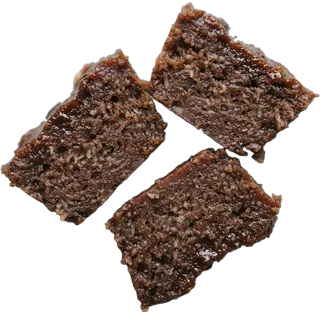
ʻUlu, breadfruit, arrives whole from the canoe plants Polynesian voyagers brought to Hawaiʻi over a thousand years ago, roasted in embers until the skin blackens and the flesh turns soft, earthy and faintly sweet, eaten plain or split open at the table.
How to order
Could I get the ʻulu plain, please?
At a farmers market or lunch wagon, ask for it ‘plain’ or ‘without butter’ to make sure no dairy is added after roasting.
History
Breadfruit traveled to Hawaiʻi as one of the canoe crops carried by Polynesian voyagers who settled the islands by roughly 1000 CE, planted in household groves alongside taro and banana. Kanaka Maoli families tended ʻulu trees for shade and food, roasting the whole fruit in open embers or steaming it, a method still used in home kitchens and at community gatherings on Hawaiʻi Island, Maui and Oʻahu. Today small farms and backyard growers supply local markets, and ʻulu is increasingly promoted by Native Hawaiian food sovereignty groups working to restore the crop after decades when imported rice and flour displaced it from daily meals.
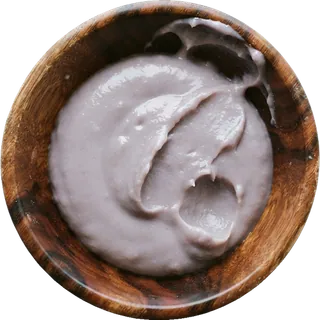
The roasted or steamed ʻulu itself is plant matter only, no animal product touches the fruit or the fire. Where dairy can enter the dish is afterward, at the table: butter is a common accompaniment melted into the hot flesh, and coconut cream is sometimes spooned over mashed ʻulu for a dessert-style serving. Plain roasted ʻulu, or ʻulu dressed with coconut cream alone, keeps the dish entirely plant-based, so the question for a diner is simply whether butter has been added at serving, not whether anything went into the cooking itself.
Where to get it
Found at farmers markets and roadside stands across Hawaiʻi Island, Maui and Oʻahu, and featured each September at the Hawaiʻi ʻUlu Festival, which highlights the crop's revival.