Heitang Gao
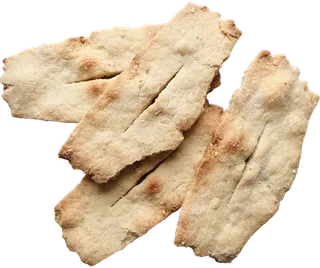
Heitang gao is Penghu's steamed brown sugar cake: wheat flour and tapioca starch beaten with dark cane sugar and water, raised, steamed in a tray, scattered with white sesame and cut into squares in Magong.
How to order
老闆,一盒黑糖糕。
The doubt a diner usually brings to a steamed cake is egg or butter, and neither is used here; if you want it confirmed, look for 全素 or 純素 on the box, or ask '這個是全素的嗎?'
History
The cake descends from the Okinawan steamed brown sugar sponge agarasa, carried to Penghu under Japanese rule when Okinawan families settled in Magong and opened confectioneries. A Magong baker, Chen Ke-chang, learned Japanese and Ryukyuan cake-making at the Shuiyuetang shop in the town and picked up the agarasa method from a Ryukyuan baker trading nearby. Unemployed after 1945, he reopened as Yuejintang and reworked the recipe to local taste. Early cakes were round, poured into bowls and steamed in stacked Japanese steamers for temple offerings and for weddings and funerals; the square boxed slab, cut into small pieces, dates from the tourist trade of the 1990s.
The standard cake is flour, dark cane sugar, water, tapioca starch, sesame and a little vegetable oil, raised with yeast or with bicarbonate of soda and baking powder. Nothing animal does any work in it: the lift comes from fermentation or chemical raising rather than beaten egg, the moisture from sugar syrup and starch rather than butter or milk, and the gloss on top from sesame and oil. Several Magong makers print 全素 or 純素 on the box, the Taiwanese labels for strictly plant-based. Because no preservative is used, the cakes keep about three days at room temperature and are steamed briefly to soften again.
Where to get it
Made daily by Magong bakeries and sold boxed in town and at the airport; brands found across the islands include 春仁, 黑妞, 媽宮食品, 源利軒, 御品家 and 水月堂. Stalls around the Beichen market on Beichen Street sell it alongside other island goods.