Penghu Haicai
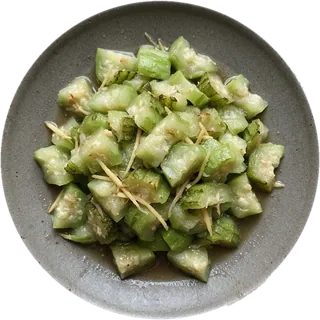
Penghu haicai is the soft green seaweed raked from the islands' basalt tidal flats between December and March, washed free of sand and dropped into a thin, slippery soup eaten through the winter in Baisha Township.
How to order
老闆,一碗海菜湯,不要加蛋。
The seaweed itself is only seaweed, but the ordinary bowl is an egg-drop soup, so say '不要加蛋' when you order and ask '有加魩仔魚嗎?' in case dried whitebait has gone into the pot.
History
Penghu calls it qinghaicai, and it is two green algae of the Monostroma family that film the basalt tidal platforms from about the eleventh lunar month until March, growing fastest and tasting best in the coldest weeks. Gathering it is known as liu haicai: a long curved iron blade in one hand, a buoyant box roped at the waist, residents stand knee-deep against the incoming tide and sweep the blade through the weed. In Baisha Township the flats in front of the thirty-persons shore shrine fill with harvesters on a cold morning, a catty fetching around NT$120 in January 2025. The catch is washed repeatedly to clear sand and small snails, then spread on racks to dry.
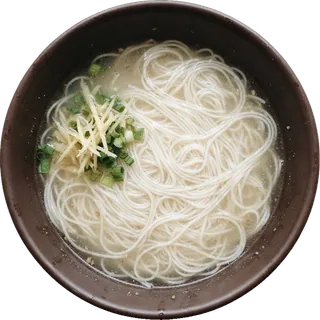
Once a feed crop for pigs, the weed became a cash harvest when traders began buying and drying it for export to Japan, and Penghu now ranks it as green gold beside the black gold of purple laver and the white gold of Spanish mackerel. The seaweed is a plant; the broth around it is where the question sits. The standard bowl is haicai egg-drop soup, with beaten egg stirred through in threads, and stalls also add dried whitebait, fish balls or clams. None of that is structural: the weed carries its own salt and a thick, slippery body from its pectin and algal gums, so water, ginger, sesame oil and salt hold a bowl together on their own. Ask for it without egg.
Where to get it
Sold fresh on Baisha's roadsides and at island markets through the harvest months of December to March, and packed dried or frozen by the county farmers' association for the rest of the year; the tidal flats of Baisha are where it is actually raked, and the Penghu National Scenic Area lists sea-lettuce raking among its fishing-village activities.