Xiwei Mianxian
Xiwei mianxian are the hand-pulled wheat noodles of Xiwei, a village on the north edge of Magong, made from flour, salt and water, drawn out to hair fineness and dried outdoors in sun and sea wind.
How to order
老闆,一碗麵線,不要加海鮮。
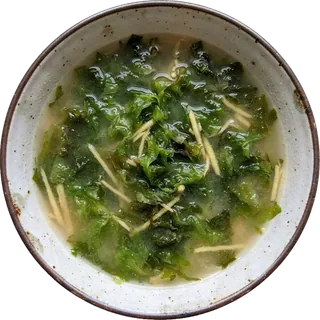
The noodle is flour, salt and water, so the question is the bowl it lands in: ask whether the broth is built on seafood or pork bone with '湯頭是大骨還是海鮮熬的?', and the sesame-oil and ginger version is the one usually made without either.
History
The hand-pulling technique came from Fujian and reached Taiwan in the Qing period; the Xiwei makers belong to the Fuzhou school rather than the local one. Xiwei suited it: little rain, long sun and constant wind. Flour is mixed with salted water in proportions judged by the day's weather, rested, rolled, oiled, then repeatedly stretched and flicked on bamboo poles until the strands are as fine as hair, and hung outdoors to dry on both sides. Makers count twenty-six steps and twelve or more hours for a batch, starting before dawn; packets sold in town carry a sticker certifying hand-made work rather than machine production.
The noodle itself is flour, salt and water, with a little oil rubbed on the dough while it rests; packets from Xiwei makers list exactly that, and no egg goes into the dough. Salt is what the island air adds and what the drying concentrates, which is why the noodles taste faintly of the sea and hold their texture in soup. The animal ingredient enters with the bowl rather than the strand. Penghu kitchens usually serve mianxian with oysters, small squid or clams, or in a broth built on them, and the sesame-oil and ginger version made for new mothers is the plant-based one.
Where to get it
Hung out to dry in the lanes of Xiwei, on the north side of Magong, where makers including 春記手工麵線 and 進興手工麵線 work from before dawn; sold in packets at the Beichen market and in town specialty shops.