Penghu Sigua
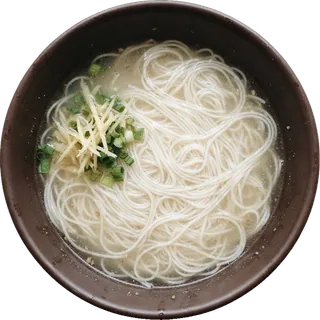
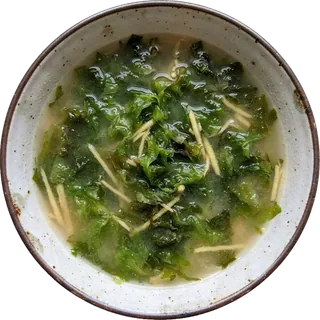
Penghu sigua is the ridged luffa grown on the islands' sandy, salt-laden soil, with ten sharp ribs running down its length. Peeled and cut, it is cooked briefly with ginger or dropped into noodles, and sold through Magong's markets.
How to order
老闆,一盤清炒絲瓜。
Ask for the plain stir-fry and confirm the two things that get added without mention: '不要加蝦米跟蛤蜊' leaves out dried shrimp and clams, and '不要加油蔥酥' leaves out the fried shallot crisps, which are not always fried in plant oil.
History
The vegetable is the angled luffa, Luffa acutangula, distinct from the smooth cylindrical gourd eaten on Taiwan's main island: it is slimmer, with ten ridges that are pared off before the skin is peeled, and the flesh stays crisp and sweet instead of collapsing. The ten ridges give the Taiwanese pun by which it is known, shih-ling sounding like tsap-liam, to nag. It grows all over the islands, with the largest planted area in Baisha, and is picked from May through October with the peak in the midsummer months. Growers put the flavour down to sandy free-draining soil, salt in the air and a wide day-night temperature range.
The gourd itself is simply a vegetable, and the plainest island treatment is also the common one: shredded ginger in hot oil, the cut luffa turned through it, a splash of rice wine, salt and a lid for a few minutes, with nothing else needed because the gourd gives out its own sweet liquid. The animal ingredient enters with the pairing rather than the vegetable. Restaurant and home versions routinely add clams, oysters, small squid or dried shrimp, and the noodle version is often built on those; stir-fries may also be finished with fried shallot crisps, which are sometimes fried in lard.
Where to get it
Sold by vegetable stalls at the Beichen market on Beichen Street in Magong, open from about six until noon, and cooked in restaurants across town through the May to October season. Grown throughout the islands, with the largest area in Baisha.