ክክ አልጫ (Kik Alicha)
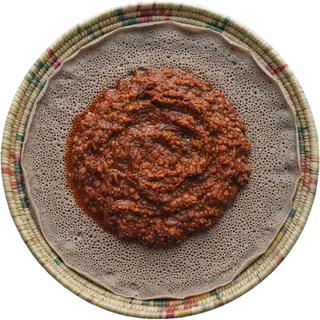
Yellow split peas simmered with onion, garlic, ginger and turmeric until they collapse into a pale, thick stew, carrying no chilli and no berbere. Served in a mound on injera alongside the red lentil or chickpea stews it is named to contrast with, it is sold at local restaurants and household tables across Amhara towns and in Addis Ababa eateries.
How to order
እባክዎ አንድ ክክ አልጫ ያለ ቅቤ፣ የጾም ይሁን።
The transaction runs in Amharic across Amhara towns and in Addis Ababa. Asking for it “የጾም ይሁን” (yetsom yihun), “let it be the fasting version,” tells the cook to use oil rather than niter kibbeh, the one point where animal product enters. That phrase works cleanly on a day when the kitchen is already cooking everything in oil for the fast; on an ordinary day the pot is frequently started with butter already in it hours before, so the question is better put before cooking begins or settled by choosing a fasting day.
History
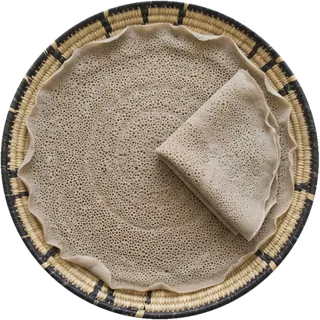
Kik alicha is Amharic: kik names the split pea, alicha marks a stew left without berbere, so the dish reads literally as a mild split pea stew. It is cooked in households and sold in local restaurants across the Amhara region, including Gondar, Bahir Dar and Debre Markos, and just as commonly in Addis Ababa. Dried yellow split peas are soaked, then simmered with chopped onion, garlic, ginger and ground turmeric until the peas break down into a thick, pale stew. Cooks ladle it onto injera beside misir wat or shiro, where its colour and plainness read as the counterpoint to the red, berbere-based stews on the same platter. It appears on ordinary days, not tied to a particular market day or season.
Everything in the pot other than the cooking fat is plant: split peas, onion, garlic, ginger, turmeric, water and salt. The usual fat is niter kibbeh, spiced clarified butter, which most households and restaurants cook with by default on ordinary days. On Wednesdays, Fridays and through the Orthodox Tewahedo fasting periods, kitchens switch to vegetable oil for every pot cooked that day, so kik alicha made then is plant-only as a matter of course. Outside the fast, the pot is usually started with niter kibbeh already stirred in hours before service, so asking once it is ladled out changes nothing; what has to be settled, and settled before cooking or by ordering on a fasting day, is whether oil was used in place of butter.
Where to get it
Local restaurants and household kitchens across Amhara towns — Gondar, Bahir Dar, Debre Markos — and in Addis Ababa eateries serve it daily as part of a mixed injera platter, with no particular season; a plate runs roughly 40 to 90 birr depending on what else is on the tray.