Lüş Otlu Pilav
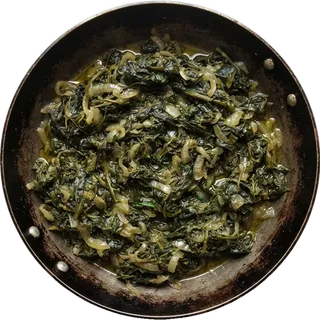
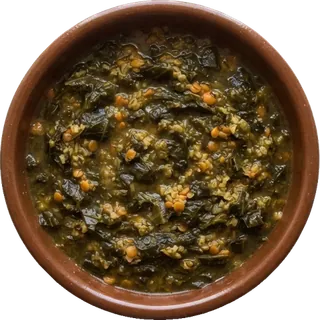
Lüş otlu pilav is a rice pilaf from the Hakkâri highlands, cooked with lüş, a wild mountain herb picked in spring and dried for use through the year. The herb turns the rice a deep green and gives it a sharp, slightly bitter edge.
How to order
Lüş otlu pilavı tereyağsız ve et suyu katmadan yapar mısınız, lütfen?
Ask before the pot goes on the stove, not after it is served: “tereyağsız” asks for no butter, and “et suyu katmadan” asks for no meat stock, since both are cooked into the rice long before it reaches the table.
History
Lüş otlu pilav comes from Hakkâri province, in the far southeast of Turkey, where Kurmanji-speaking households and village lokantas cook it through late spring and summer. The base is rice, onion, and lüş, a wild herb gathered on the slopes above the valleys and either used fresh or dried for the colder months. The rice is browned in fat with chopped onion, the herb is stirred in, and water or stock is added until the grains cook through and turn pale green. In Kurmanji the dish is called lüşê brinc or pilavê lüş; in Turkish it appears on menus simply as lüş otlu pilav or Hakkâri pilavı.
The rice, onion, and lüş are plant. The fat that browns the rice is traditionally butter, and in many houses the cooking liquid is meat or bone stock rather than plain water, so the animal product enters during cooking, folded into the pot before the pilaf ever reaches the table. There is no portion left out to ask about afterward, since the stock and the butter are already absorbed into the grain by the time it is served. What has to be settled is upstream of the counter: whether the kitchen is willing to brown the rice in oil and cook it in water instead of stock, a choice made at the stove, not a garnish removed on request.
Where to get it
Hakkâri province, in highland village kitchens and local lokantas, chiefly from late spring through summer when lüş is picked fresh; dried lüş keeps it on tables into winter.