Marula
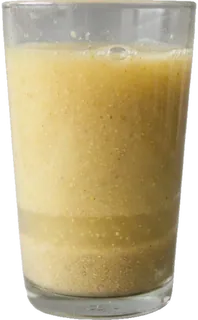
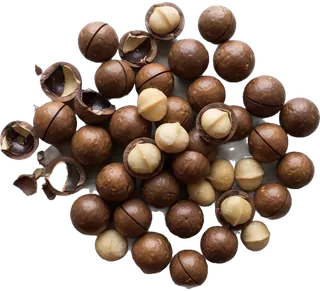
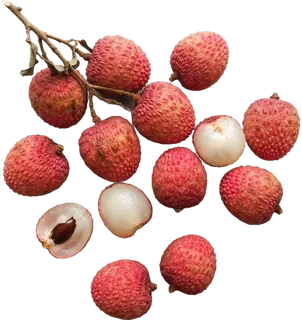
Fallen yellow fruit from a protected indigenous tree is squeezed for juice, left a few days to ferment into a mildly alcoholic beer, or cracked for its oily kernel; villagers across Limpopo and Mpumalanga gather and share it through the harvest weeks of late summer.
How to order
Ndzi kombela nkanyi, nkhensa.
Fruit, juice and home-brewed nkanyi sold by weight or by the cup at a roadside stall or at home are nothing but the fruit itself, so there is nothing to clear by asking. The cream liqueur is a different, factory-bottled product sold as Amarula, usually through English-run liquor stores rather than by Xitsonga-speaking sellers; naming the fruit directly with “Ndzi kombela nkanyi, nkhensa” is enough to be sure of the plant version.
History
Nkanyi is the Xitsonga name for marula; Tshivenda speakers call it mufula, Afrikaans speakers maroela. The tree, Sclerocarya birrea, is protected under South African forestry law, and by local custom particular trees are known to belong to particular families, with women doing most of the gathering once the fruit drops in January and February. Harvest falls in Limpopo and Mpumalanga, in the former Gazankulu and Venda homelands where apartheid confined Tsonga- and Venda-speaking communities to subsistence farming; the fallen fruit, squeezed and left to ferment, became a harvest-season drink shared at gatherings rather than sold.
The fruit itself, the water added to it, and the wild yeasts that turn it into beer are all plant and nothing else; kernels cracked from the stone are pressed for oil, also plant. Dairy enters only in the internationally sold cream liqueur, where cane spirit distilled from the fruit is blended with cream at the factory, a step that has nothing to do with the fruit, juice or home-fermented beer found in Limpopo and Mpumalanga. What needs settling, then, is simply whether what's on offer is the fruit and its home brew or the bottled liqueur.
Where to get it
Roadside stalls and local markets across rural Limpopo and Mpumalanga, especially around Giyani, Tzaneen and the lowveld towns near Kruger, from late January through March when the fruit drops; a bucket of fruit or a cup of home-brewed beer costs little, often a few rand, bought straight from the person who gathered it.