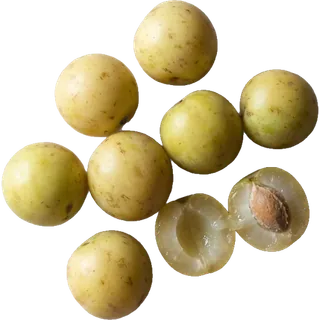
Avokado
Grown in orchards around Tzaneen and Modjadji in Limpopo, these fruit supply most of what South Africa eats and much of what Europe imports. Spooned straight from the skin with salt or mashed onto bread, it is eaten at breakfast and lunch tables across the country.
How to order
Ndzi kombela ku xava avokado, ndzi khensa.
Avocado is whole fruit, so there is nothing to clear with the seller; the phrase above works at farm stalls, though trade along the Tzaneen–Modjadji road often runs in English at the counter too: “Ndzi kombela ku xava avokado, ndzi khensa”.
History
Avokado is the Afrikaans name for the fruit grown in the hills around Tzaneen and in the Modjadji area, the home of the Balobedu people and their Rain Queen, in Limpopo province. Commercial orchards were planted by white settler farmers from the mid-twentieth century onward, the trees worked then and now largely by Balobedu and other Black farmworkers, a labour system built under colonial rule and entrenched under apartheid. Harvest runs from autumn into late summer depending on the variety, Fuerte picked first, Hass later, and the fruit is eaten everywhere in the country, spooned from the skin at breakfast or mashed onto bread for lunch.
Avocado is a fruit, picked whole from the tree, with nothing added before it reaches a plate: the half-shell, the flesh, and whatever salt or bread accompanies it. No animal product enters at any stage of growing, ripening or serving, whether the fruit is split open at a kitchen table or mashed cold onto a slice of bread at a roadside stall. The only thing a buyer sometimes checks is ripeness, pressed gently at the stem end, not content, since the fruit itself carries nothing to clear.
Where to get it
Roadside stalls along the R71 between Tzaneen and Modjadji, and the produce tables at Tzaneen's Saturday market, sell it by the bag, five or six fruit for R20 to R30. Season runs from autumn through the southern winter into spring, Fuerte picked first, Hass later.