Muvhuyu
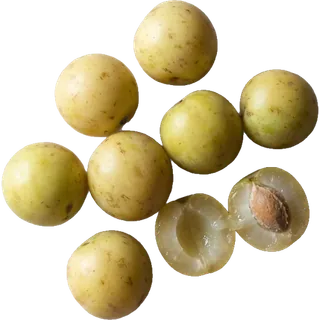
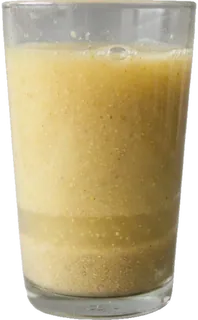
A velvet-husked pod of the baobab, cracked open to chalky white pulp that is pounded with water into a sour drink or stirred into porridge. Harvested each winter from trees around Thohoyandou in Limpopo's Vhembe district, where Venda households still gather the fallen pods by hand.
How to order
Ndi khou humbela muvhuyu, ndi a livhuwa.
Ask whether milk has already gone into the drink, since that is a table addition and not part of the fruit itself; saying “muvhuyu u si na mafhi” asks for it without milk. Stalls around Thohoyandou usually run the exchange in Tshivenda, though English works at the larger markets.
History
Muvhuyu is the Tshivenda name for the baobab tree and, in this context, the sour fruit drink and porridge made from its pulp. In Afrikaans the fruit is kremetart, in English baobab or monkey bread. The pods ripen on trees across the Soutpansberg and the lowveld around Thohoyandou in Limpopo's Vhembe district, harvested from May through August when they rattle loose from the branch. Women crack the hard shells by hand, scrape out the chalky white segments, and either pound them into water for a drink or grind them dry into porridge. Thohoyandou itself was built as the capital of the Venda bantustan under apartheid's forced homeland system.
The drink and the porridge are both built from fruit pulp and water: nothing else goes into the pounding or the pot. Some cooks stir in sugar to soften the sourness, and in a few households milk is added at the table to make the drink richer, turning it into something closer to a thin yoghurt. Neither sugar nor milk is part of the fruit itself, so what needs settling is only whether a vendor or cook has already added milk, not whether the pulp itself contains any animal product — it never does.
Where to get it
Roadside stalls and open-air markets in Thohoyandou and surrounding Vhembe villages, sold in reused cooldrink bottles or plastic twists from April through September after the pods are harvested, for about R5 to R10 a serving.