Mate
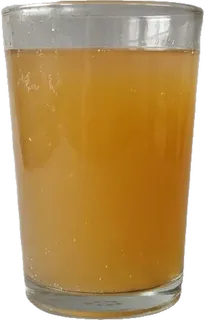
Yerba mate leaves, dried and coarsely ground, fill a hollow gourd and are steeped in hot water, drunk through a metal straw fitted with a strainer tip. In Chile it is poured in campo kitchens and at Patagonian sheep stations, the gourd refilled and passed around the circle in turn.
How to order
¿Me convida un matecito, por favor?
The gourd is almost always just yerba and hot water, but to settle it before the gourd starts round the circle, ask ‘¿Está hecho con agua o con leche?’ — made with water or milk. The exchange runs in Chilean Spanish at both campo kitchens and Patagonian estancias.
History
Mate is Chilean Spanish, the word drawn from the Quechua mati, meaning gourd; yerba mate was first grown and drunk by the Guaraní of Paraguay, carried south by Jesuit mission trade and later by gaucho cattle routes across the pampas. In Chile it belongs above all to Patagonia — Magallanes and Aysén, where sheep estancias were built from the 1880s on land taken from the Aónikenk — and to the rural campo of Los Lagos. Dried yerba fills a hollow gourd, hot water is poured over it, and the gourd passes hand to hand around a circle, each person drinking before refilling and passing it on.
The gourd holds only yerba mate and hot water; nothing animal enters at that stage. Sugar is sometimes stirred in for a sweeter cup, still plant-based. The one point where milk can enter is a version drunk mostly by children and in some southern households, mate cocido con leche, brewed with hot milk instead of water rather than added at the table; once the leaves steep in milk the plain-water version is gone. Anyone sharing a gourd in the campo or at an estancia can ask simply whether it was made with water or milk before it starts round the circle.
Where to get it
Country stores and roadside almacenes across Aysén and Magallanes sell yerba mate loose by the half-kilo for CLP 2,000-4,000, and the drink itself is passed free at asados, sheep-shearing gatherings and campfire stops from Coyhaique to Punta Arenas; in Los Lagos it turns up at campo breakfast tables and country fairs.