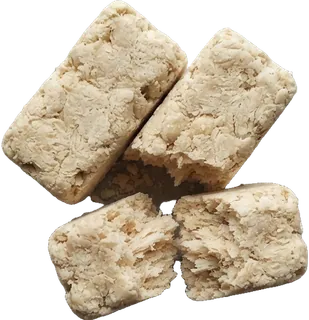
Hongzao
Hongzao is the crimson lees left in the cloth when Matsu's glutinous rice wine is pressed and strained — rice, red yeast rice and water, kept as a salted paste and cooked as a seasoning on Nangan.
How to order
老闆,請問紅糟怎麼賣?
The paste is rice and red yeast with no animal ingredient, but nearly everything cooked with it on Matsu is meat or fish, so ask '這道紅糟有沒有肉?' before ordering, or ask for the radish and pickles dressed in it.
History
Matsu laojiu is a yellow wine: round glutinous rice washed, soaked overnight, steamed and cooled, then packed into a jar with red yeast rice and water in a rough proportion of fifty parts rice to fifty of water and five of red yeast, with crushed white starter added. The jar is opened and stirred every few days, and after thirty to sixty days the liquid is pressed off, clarified and heated to about 80°C to halt fermentation. What stays behind in the cloth is hongzao. Households across Nangan brewed their own, and the Matsu Distillery there still turns to glutinous rice on Saturdays; Jinsha village is known for home brewing, and a workshop in Siwei village runs booked sessions where visitors fill a jar themselves.
The lees are rice, a cultured mould and water, salted for keeping, so nothing of animal origin enters in the making — Fuzhou kitchens have eaten red lees by the spoonful for centuries, and the Matsu saying is that the wine is the point and the hongzao what the wine leaves. The animal ingredient enters on the plate. Almost every hongzao dish on a Nangan menu is pork belly, eel, crab or clams, and the fried rice is usually studded with hongzao pork, as is the laojiu noodle bowl; hongzao chicken soup is recorded as food for recovery after childbirth. The plant uses are equally local: winter radish and cabbage dressed or pickled in the lees, and the jarred paste sold to take home.
Where to get it
On Nangan, the Lin Yi-he workshop in Siwei village sells hongzao paste, pickles and chilli radish and takes bookings for wine-and-lees sessions; the Matsu Distillery is on the same island, Jinsha village is the brewing village, and restaurants around Nangan cook it through the winter radish season.