Matsu Laojiu
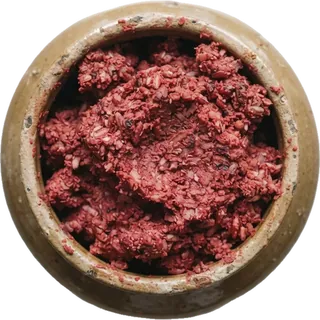
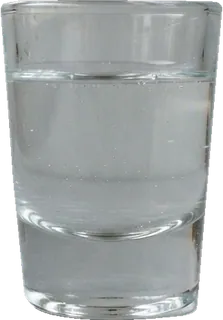
Matsu laojiu is the amber rice wine of the islands, brewed from glutinous rice, red yeast rice and water in sealed jars through the winter, drunk warm in Nangan and ladled into noodles and stews.
How to order
老闆,一杯馬祖老酒。
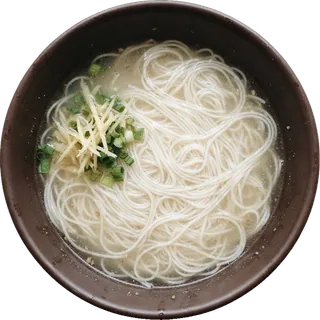
The wine itself is rice, red yeast and water; the thing to check is the dish it goes into, since laojiu noodles are normally finished with a beaten egg, so say '老酒麵線不要加蛋' if you want the bowl without it.
History
Laojiu is the brewing culture of eastern Fujian kept up in Matsu; the old in its name is the Fuzhou word for cellar, meaning wine sealed in earthenware to age. Households brew when the northeast monsoon arrives, so the jars are ready for New Year. Rice and red yeast are washed and soaked overnight, the rice steamed and spread to cool, then combined with water and red yeast in a fixed proportion, stirred weekly and left about fifty days. Jinsha village on Nangan is known for it, households are permitted a hundred litres a batch, and the island distillery still brews laojiu one day a week.
The wine is glutinous rice, red yeast rice and water. The red yeast is a mould grown on rice, which converts the starch to sugar for the yeasts to ferment, and it also supplies the colour and much of the aroma, doing work that no animal ingredient is asked to do; the pressed residue, red lees, is kept for cooking. Nothing is clarified with gelatin and nothing is sweetened with honey. The animal question arrives at the table, since the laojiu noodles sold in Nangan usually carry a beaten egg and sometimes chicken.
Where to get it
Brewed in households on Nangan, with Jinsha village known for it, and by the Matsu Distillery, which runs its laojiu day once a week. The Lin Yi-he workshop on Nangan takes bookings to brew a jar; laojiu noodles are sold at the Jieshou Lion Market from early morning.