Mugaddara
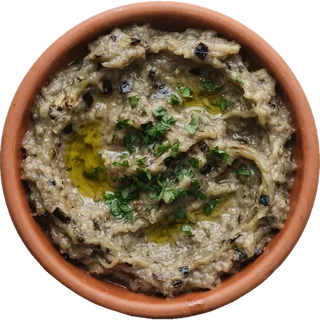
Mugaddara pairs brown lentils and rice cooked together in one pot until the rice takes on the lentil's brown colour, finished with a thick layer of deeply fried onion on top. It is eaten across Egypt as a weekday lunch, often alongside a salad or plain yoghurt on the side.
How to order
واحد مجدرة لو سمحت
The dish is normally cooked in oil already, but in a home kitchen or small eatery it is worth asking ‘بزيت ولا سمنة؟’ to rule out a ghee finish on the onions.
History
Mugaddara is cooked in home kitchens throughout Egypt and across the eastern Mediterranean, with versions recorded in Arabic cookery manuscripts from medieval Baghdad and Cairo under the name mujaddara, meaning 'pockmarked', a reference to the lentils speckling the rice. In Egypt it is a weekday dish, made with brown or green lentils and short-grain rice simmered together in one pot, then topped with onion sliced thin and fried until dark and crisp. Cairo and Delta households serve it with cucumber-and-tomato salad, plain yoghurt or laban rayeb. Cairo street carts and small kitchens selling koshari sometimes offer it as a simpler, cheaper alternative on the same menu.
The standard recipe uses rice, lentils, onion and vegetable oil, with no animal ingredient in the cooking itself, which fits Coptic fasting days as well as any other meal. Some households fry the onion in samna (ghee) instead of oil for a richer taste; this is a household habit rather than the dish's standard form, so the plant-based version is what most cooks make by default. At a counter or a home table, the only thing worth confirming is which fat went into the onion.
Where to get it
Mugaddara is sold at Cairo koshari shops and simple sit-down restaurants as a side or main dish, and is made at home throughout the country for weekday lunch; it rarely appears on tourist-facing menus.