Poiré Domfront
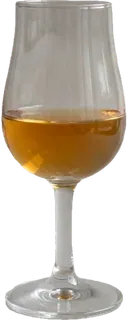
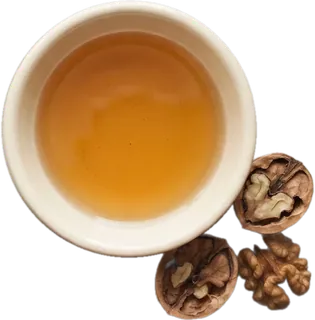
A lightly sparkling perry pressed from pears grown on tall, high-stemmed trees in the hedgerows of the Domfrontais bocage, in the Orne, at least a third of the blend from the Plant de Blanc variety. Lower in alcohol than cider, it is pressed each autumn and sold at farms and markets through winter.
How to order
Une bouteille de poiré Domfront, s'il vous plaît.
Pears and wild yeast are naturally vegan, but some producers fine the finished perry with gelatin or isinglass to clarify it, a step that cannot be reversed once bottled. Ask the seller directly — “Est-ce que ce poiré a été collé à la gélatine ou à la colle de poisson ?” — or look for a cloudy, unfined bottle sold straight from the farm.
History
Poiré Domfront is pressed in the Domfrontais, the pear country around the town of Domfront in the Orne, from pears grown on tall, free-standing trees that also shade cattle pasture in the bocage hedgerow landscape of southern Normandy. The appellation requires that at least a third of the pears pressed be of the Plant de Blanc variety, harvested from October, pressed, and left to ferment slowly in cool cellars before bottling under cork and wire like cider or champagne. Twentieth-century mechanisation and the decline of mixed bocage farming thinned the old pear orchards, and many of the high-stemmed trees still standing are a century old.
Poiré is pears and wild yeast throughout, pressed and fermented without any animal product entering the process directly. The one point to check is fining: some producers clarify the finished perry with gelatin or isinglass to remove haze before bottling, rather than letting it settle naturally or using bentonite clay, and once that step is done it cannot be undone. Farm producers who sell young, unfined, slightly cloudy poiré are naturally free of this, and it is worth asking the question before buying a bottle from a cellar or a market stall.
Where to get it
Farm cideries and cave shops across the Domfrontais, around Domfront and Lonlay-l'Abbaye in the Orne, sell it by the bottle year-round, with the new harvest arriving from late autumn; a 75cl bottle runs €4-€7 at the farm gate, more in shops outside Normandy.