Sattu Sharbat
A gritty, savoury-sour cooler made by whisking roasted gram (chana) flour into cold water with lemon juice, black salt and roasted cumin, sattu sharbat is drunk fast from steel tumblers at street corners and roadside carts in Patna through the hot months.
How to order
एक गिलास सत्तू शरबत बना दीजिए।
Sattu sharbat is naturally vegan, made simply from roasted chana flour, water, lemon, salt and cumin, so there is nothing dairy to worry about at most stalls. Some vendors do add a dollop of curd or a splash of milk to smooth the drink, so it is worth checking first: ‘क्या इसमें दही या दूध डालते हैं?’
History
Sattu, the flour of dry-roasted Bengal gram, and sometimes barley, is a staple of Bihar's countryside, documented from the late nineteenth century as a food that keeps without refrigeration and suits farmers and travellers heading out into the heat. Whisked into water with lemon juice, a pinch of kala namak and a dusting of roasted cumin, it became a quick, inexpensive way to settle thirst and hunger together. Patna's lanes, bus stands and railway platforms built a sharbat trade around the tin mug and the steel jug of water kept just cool enough to drink.
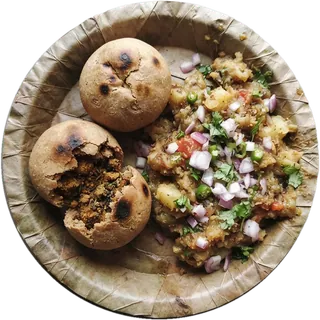
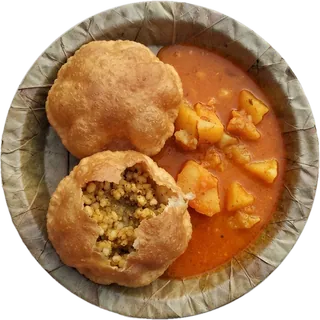
The standard glass of sattu sharbat has no animal ingredient in it: roasted chana flour, water, lemon, kala namak and roasted cumin, mixed and drunk on the spot. Where oil appears in this kitchen it is usually mustard oil or groundnut oil, used in the snacks sold alongside rather than in the drink itself. A diner should still ask before ordering sattu-based parathas or litti at the same stall, since those are often finished with a brushing of ghee, and some stalls offer a side of curd or lassi as a separate item rather than mixed into the sharbat.
Where to get it
Roadside sattu stalls, tea shacks and railway-platform vendors across Patna, especially near markets and bus stands, where it is mixed fresh to order through the hot months.