Sonz
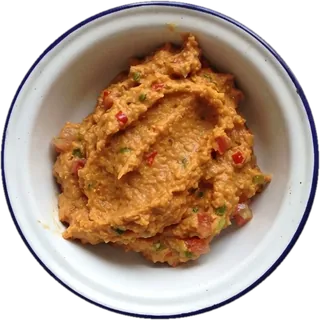
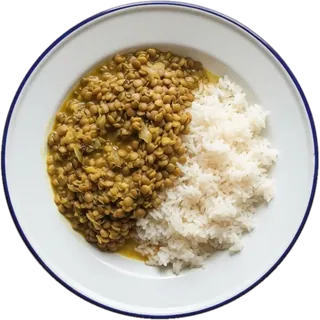
Taro corms are boiled until the itch leaves them, then crushed with oil or simmered in a cari; the leaves are cooked separately as brèdes. It is Sunday table food in the Hauts of Réunion, from Salazie to Cilaos.
How to order
Mi anvi in sonz san la viann, siouplé.
Ask for sonz pilé, the version crushed with oil, which is plain by default, or check whether the cari underneath is made with boucané before ordering the simmered version: “Mi anvi in sonz san la viann, souplé.” If the cari has already been started with smoked pork, it cannot be taken back out of the pot.
History
Sonz is the Réunion Creole name for taro corm, songe in French, grown in wet ground along the island's ravines, especially around Salazie, where the climate stays damp through the year. The corms are dug, then boiled a long time to break down the calcium oxalate that makes raw taro sting the throat, before being simmered into a cari or crushed with oil into a mash. The leaves are set aside and cooked separately as brèdes. Réunionnais cooking formed under enslavement on the island's sugar estates and the indentured labour brought from India afterward, and sonz sits inside that Creole table, eaten at Sunday family meals with rice.
The base of sonz is plant only: taro, onion, turmeric and oil, with the leaves cooked the same way. What changes it is the cari it is often served in or mixed with, which in Réunion is commonly built on boucané, smoked pork, browned at the start of cooking and left to simmer through the whole pot, so the meat cannot be lifted back out once it is in. The crushed version, sonz pilé with oil, carries no meat by default. What needs settling before ordering is whether the cari underneath is the smoked-pork version or a plain one.
Where to get it
Market stalls and family-run gargotes in the Hauts of Réunion, around Salazie and Cilaos, where taro grows in the wet ground; a plate runs €5-€8 at a roadside stall, more at a table d'hôte.