Sukkar w Lamoun
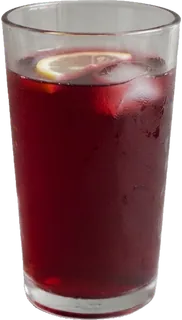
Sukkar w lamoun is lemon juice stirred with sugar and water, sold cold from carts and corner shops across Egypt. Vendors squeeze the fruit to order, balancing the sour juice against sugar syrup, and serve it in glass cups through Cairo's hot months and at Ramadan iftar tables.
How to order
كوباية سكر ولمون لو سمحت
The drink is naturally vegan as sold, so nothing needs to be left out; a diner who wants only lemon, sugar and water rather than a bottled cordial can say ‘عايز سكر ولمون بس، من غير شراب’.
History
Street vendors in Cairo, Alexandria and provincial towns press lemons into sugar water from carts fitted with large glass jars, selling it by the cup alongside licorice drink (irq sous) and tamarind. Households make the same mixture at home, squeezing lemons by hand and dissolving sugar in cold or iced water, serving it at weddings, Ramadan iftar, and in summer when temperatures in Upper Egypt and the Delta climb past 40°C. Popular accounts credit Khedive Ismail (r. 1863-1879) with serving a version of the drink at palace wedding banquets; no primary source for this claim has been verified, and the drink is documented more plainly from twentieth-century Cairo street-cart trade.
The standard recipe is lemon juice, sugar (or sometimes cane molasses, asal aswad, in place of white sugar) and water, with no animal ingredient at any stage. Vendors occasionally add a pinch of salt to cut the acidity, and some stir in mint leaves, but neither changes the composition. The one point worth checking is sweetener: a few carts use flavored syrup bases or add a scoop of fruit cordial that may contain additives, so a diner asking for the plain version, squeezed fresh with only sugar and water, gets the naturally vegan drink without alteration. No dairy, egg, or animal fat enters any stage of its preparation, whether made at a cart or at home.
Where to get it
Sold from streetside carts and juice stalls fitted with large glass jars in Cairo, Alexandria and provincial towns, most often through the hot months from spring to early autumn and at Ramadan iftar tables.