Tungrymbai
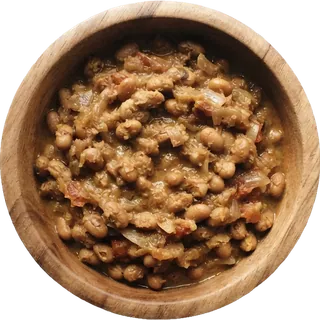
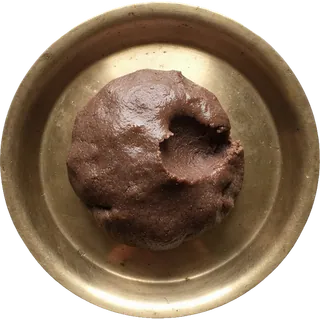
Tungrymbai is a paste of fermented soybean pounded with sesame, ginger and black pepper into a dark, strong-smelling condiment, made by Khasi households around Shillong and across the Khasi Hills of Meghalaya. The standard preparation cooks the paste with pork fat.
How to order
Could you make the tungrymbai without pork fat, please, just with mustard oil?
At a stall or mess in Shillong, ask the cook directly: ‘Could you make the tungrymbai without pork fat, please, just with mustard oil?’ Buying the fermented soybean paste loose from a market stall and having it cooked at home is the most reliable way to control this.
History
Tungrymbai is documented among Khasi households in and around Shillong and the wider Khasi Hills, where soybean is boiled, wrapped to ferment over several days, and then pounded with sesame seed, ginger and black pepper into a thick paste. The paste is kept as a base condiment and is cooked into a side dish eaten with rice, often alongside other Khasi preparations such as jadoh. Markets in Shillong, including Bara Bazaar, sell the fermented bean paste on its own, which cooks then take home to finish according to their own household's recipe.
The fermented soybean paste at the centre of tungrymbai is plant in origin, made from soybean, sesame, ginger and pepper with no animal ingredient in the fermentation itself. The standard cooked dish, however, is finished with pork fat, which is rendered and stirred through the paste as it is cooked, giving the dish its usual richness. A plant-based version is made by cooking the same fermented paste in mustard oil instead of pork fat, and this is a request a cook can act on, not the default preparation.
Where to get it
Fermented soybean paste for tungrymbai is sold loose in Shillong's markets, including Bara Bazaar, and the cooked dish is served in Khasi household meals and in local eateries serving Khasi food.