Acaçá
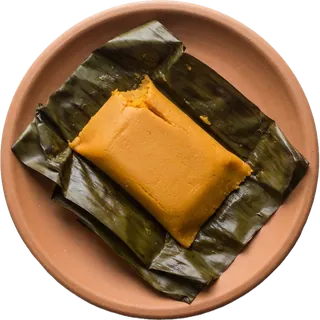
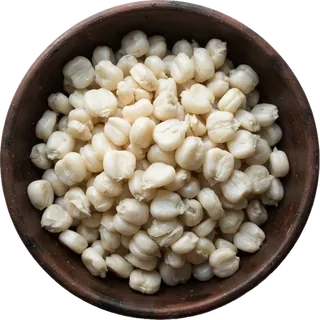
White maize, soaked overnight then ground wet into a thick batter, is cooked over low heat until it sets into a stiff, faintly sour paste. While still hot it is spooned into squares of banana leaf, folded shut and left to firm as it cools. Baianas sell it at street stalls in Salvador, and it is set on Candomblé altars as an offering to Oxalá.
How to order
Me vê um acaçá aí, por favor.
Acaçá carries no animal product in any form sold in Salvador, so there is nothing to leave out when ordering it. The one real variable is salt, since terreiro versions made for Oxalá are left unsalted while some street stalls add a pinch, so asking “tem sal?” settles that if it matters. The exchange runs in Portuguese at every stall and market in the city.
History
Acaçá takes its name from Yoruba; it is also written acassá, and shares a root with ekó, a similar maize paste eaten in West Africa. The dish traveled to Salvador, Bahia, with West African people who were enslaved and brought to the sugar economy of the Recôncavo from the sixteenth century, and it became established as a ritual food within the Candomblé houses (terreiros) that their descendants built in the city. White maize (milho branco) is soaked overnight, ground wet, then cooked in water over low heat and stirred until it sets into a stiff, mildly sour paste. While still hot it is spooned onto banana leaf, folded and tied, and left to cool into a firm block. Baianas sell it at street stalls and markets in Salvador, and terreiro cooks prepare it for the altars of Oxalá.
Everything in the pot is plant: maize and water, with banana leaf used only to shape and steam the paste before it is discarded. No animal product enters at any stage, not during soaking, grinding, cooking or wrapping, and nothing is stirred in or spooned on afterward, since acaçá is eaten plain or set beside other dishes rather than topped at the counter. Vendors use no butter, milk, stock cube or lard in the paste, and terreiro cooks preparing it for Oxalá traditionally leave out salt as well, so the only genuine variable at a stall is whether a pinch of salt has been added, which has nothing to do with animal product.
Where to get it
Baianas sell acaçá year-round from tabuleiros (trays) at street stalls and markets across Salvador, including around the Pelourinho, the Mercado Modelo and the Feira de São Joaquim, usually alongside acarajé, for about R$1 to R$3 a piece; it appears in larger quantities around Candomblé festival dates such as the Lavagem do Bonfim in January.