አሚቾ (Amicho)
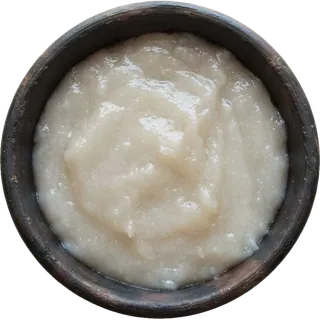
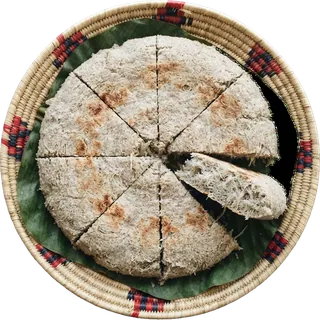
The corm of a young enset plant (Ensete ventricosum), peeled, cut into pieces and boiled in salted water until soft, eaten in the hand straight from the pot. Sold boiled and still warm at markets in the Gurage, Hadiya, Kembata and Silte zones, it is a filling starch eaten whole, without the months of fermentation that turn the same plant into kocho.
How to order
እባክዎ አንድ አሚቾ ይስጡኝ፤ አመሰግናለሁ።
The sale runs in Amharic at open markets across the Gurage, Hadiya, Kembata and Silte zones, though Guragigna is heard between vendors themselves. Nothing has to be settled about animal product, since amicho is boiled in nothing but salted water and served without butter or cheese. A buyer who wants a freshly cut batch rather than one that has sat since morning can ask for it “ትኩስ” (tikus), fresh, which is the only distinction worth making at the stall.
History
Amicho (አሚቾ in Amharic script, a Guragigna word carried into general use) names the boiled corm of enset, Ensete ventricosum, the perennial relative of the banana grown across the Gurage, Hadiya, Kembata and Silte zones of southern Ethiopia, in towns including Wolkite, Butajira, Hosaena and Durame. Growers dig up a young plant before its corm has grown dense enough for the longer process that makes kocho and bulla, peel the corm, cut it into pieces and boil it in salted water until the flesh gives easily to a knife. It is sold boiled, still warm, from baskets at local markets and eaten in the hand as a starch, on its own or alongside sauces.
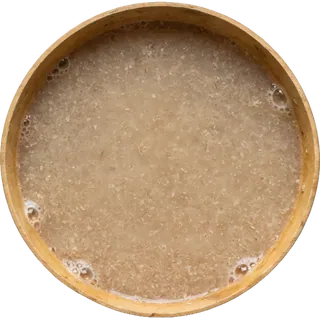
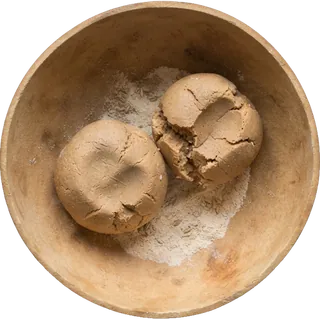
Corm, water and salt are the entire content of the pot: no butter, milk, cheese or meat enters at any stage of cooking, and none is customary afterward either. This sets amicho apart from kocho, its fermented cousin, which some households finish at the table with a smear of niter kibbeh or a crumble of ayib; amicho is eaten plain, so nothing needs to be settled with the cook or the vendor before buying it. The Orthodox Tewahedo fast, which pushes many dishes toward oil in place of butter, makes no difference here, since amicho never contained butter to begin with.
Where to get it
Open-air markets and roadside stalls in Wolkite, Butajira, Hosaena, Durame and Werabe sell amicho boiled and still warm through most of the year, since enset is harvested in rotation rather than by season, for roughly 10-20 ETB a portion.