Bastenga
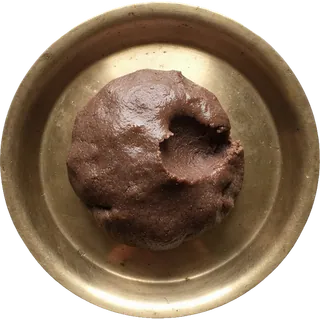
Bastenga is bamboo shoot sliced fine and packed into a sealed container to ferment in its own liquid until sharply sour, a preparation used across Naga households in Nagaland as a souring base for vegetable and meat dishes.
How to order
Could I get the bastenga without pork, please?
At a stall or mess, ask ‘Could I get the bastenga without pork, please?’ and confirm that no pork fat has gone into the pot while the shoot was cooking.
History
Bastenga is prepared in Naga households across Nagaland, where bamboo shoot is sliced thin and packed tightly into a sealed bamboo tube, jar or other airtight container and left to ferment in its own released liquid for several days to weeks until it turns sharply sour. The method is documented across Naga communities, including Sumi, Angami, Ao and Lotha households, as a way of preserving the seasonal surplus of bamboo shoot harvested during the monsoon. Once fermented, bastenga is kept as a pantry stock and drawn on through the year, used as a souring agent stirred into vegetable preparations or simmered with meat.
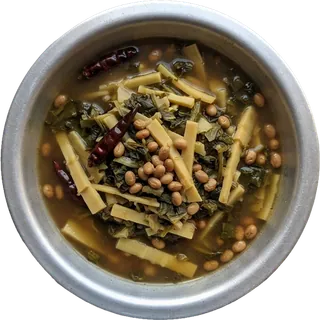
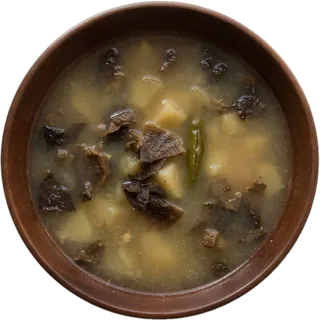
Bastenga itself is bamboo shoot fermented in its own liquid; the shoot and the fermentation contain no animal ingredient. In most Naga kitchens and eateries, however, bastenga is cooked together with pork or pork fat, simmered until the meat absorbs the sour taste, and served as a side with rice. A plant-based version exists and is ordinarily available: the same fermented shoot stewed with greens, potato, or axone, a fermented soybean paste, in place of meat. A customer who wants the plant version should ask specifically for bastenga cooked without pork or meat, since the pork-cooked version is the default on most menus and at most stalls.
Where to get it
Fermented bastenga is sold ready-to-cook in local markets across Nagaland, including the Dimapur and Kohima markets, and the cooked dish is served in Naga eateries and household messes alongside its pork-cooked version.