Bibimbap
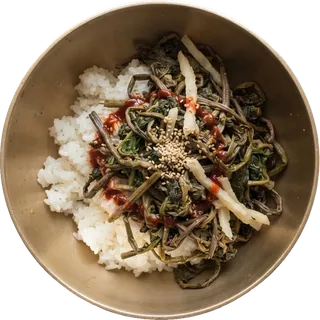
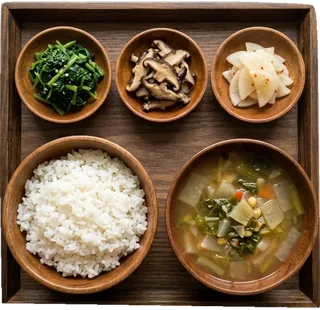
Rice is topped with namul seasoned and cooked separately, then a spoonful of gochujang and a dash of sesame oil are stirred through at the table until the colours disappear. Jeonju, the dish's namesake city in North Jeolla province, serves it as both breakfast and lunch at market stalls near Nambu Market.
How to order
비빔밥에서 고기랑 계란 빼 주세요.
Ask before the bowl is assembled, since the beef, egg and gochujang can be left off but the stock the rice was cooked in cannot be removed afterward: say “비빔밥에서 고기랑 계란 빼 주세요, 밥에 고기 육수 넣었어요?” (leave out the meat and egg, and did you put meat stock in the rice?). If the kitchen used beef stock for the rice, as many Jeonju restaurants do, a plant-based bowl means a separate pot of rice, and some kitchens will not have one on hand.
History
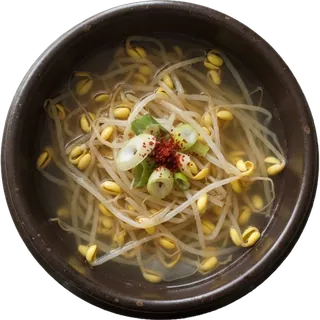
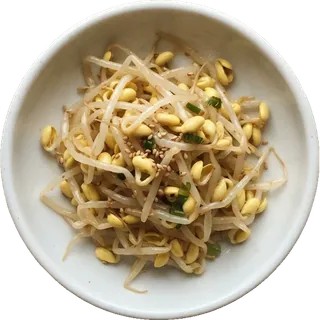
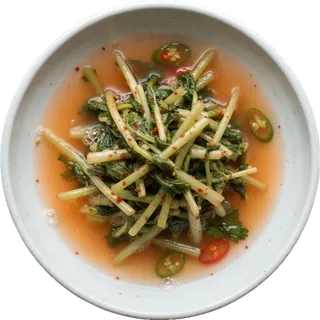
Bibimbap (비빔밥) is cooked all over Korea, but the Jeonju version, from the old walled city in North Jeolla province, is the one that carries its own name, 전주비빔밥. Rice is cooked in the water left from boiling bean sprouts, then topped with namul bought fresh each morning at Nambu Market and seasoned separately so each vegetable keeps its own flavour until it is stirred. The dish's spread as a cheap one-bowl meal in Korean cities after the Korean War, when rice was stretched further by mixing it with vegetables, helped fix the form eaten today. It is served at any hour, not tied to a holiday or season.
The namul and rice are plant throughout on their own, each vegetable blanched or sautéed separately in sesame oil, salt and garlic. The usual additions are not: a raw or fried egg is cracked on top at the table or in the kitchen just before serving, and minced beef, seasoned and browned, is laid over the rice alongside the namul. Some kitchens, including many in Jeonju, cook the rice itself in beef stock rather than plain water, which means the base is already settled before the toppings are added, so both the stock and the egg and beef need to be checked before the bowl is assembled.
Where to get it
Traditional bibimbap restaurants around Nambu Market and the Hanok Village in Jeonju, North Jeolla province, open from breakfast through dinner; a bowl runs 9,000-13,000 won.