Caxiri
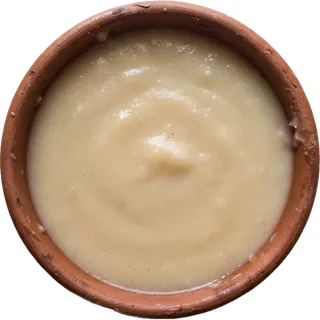
Cassava roots cooked, mashed and mixed with water, then left to ferment for one to three days until the liquid turns cloudy and faintly sour. The drink is strained into gourds and served at community gatherings across Roraima and Amazonas, poured in rounds rather than sold by the glass.
How to order
Me põe um caxiri aí, mas mais fraquinho, por favor.
The sale runs in Portuguese, even on Indigenous land where Macuxi, Wapishana or Baniwa languages carry daily conversation among the brewers. Asking for it “mais fraquinho” settles how long the batch fermented, since a one-day caxiri sits close to a mild, slightly sweet drink and a three-day one turns sharply sour and lightly alcoholic. There is no animal-product question to raise here.
History
Caxiri takes its name from Nheengatu, the Amazonian trade language still spoken along the upper Rio Negro; the word carries over unchanged into regional Portuguese. Women in Macuxi and Wapishana households on the savannas of Roraima, and in Baniwa communities near São Gabriel da Cachoeira in Amazonas, prepare it for village festivals, harvest ceremonies and visits between settlements. Cassava is peeled, grated or pounded, cooked, then mixed with water in a trough. Some brewers add a portion of cassava already chewed and returned to the mass, since enzymes in saliva help break down the starch and start fermentation. The batch stands covered for one to three days before it is served.
Everything that ferments here is plant: cassava and water, worked on by wild yeasts and bacteria already present in the air and in the cooking vessels, plus, in some households, the enzymes introduced by chewing. No animal product enters at any point, during cooking or afterward, so there is nothing to settle on that score. What does vary, and is worth asking about before the gourd is filled, is how long the batch fermented: a day or so gives a mild, barely sour drink, while three days or more gives something sharper and occasionally with a mild alcoholic kick.
Where to get it
Caxiri shows up mainly at village festivals and gatherings rather than daily commerce: assemblies and harvest celebrations on Macuxi and Wapishana land in Roraima, including Raposa Serra do Sol, and in Baniwa communities near São Gabriel da Cachoeira in Amazonas, with occasional stalls at cultural fairs in Boa Vista and Manaus, where a gourd or bottle runs roughly R$5 to R$15.