Caribé
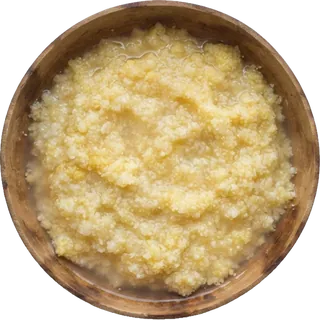
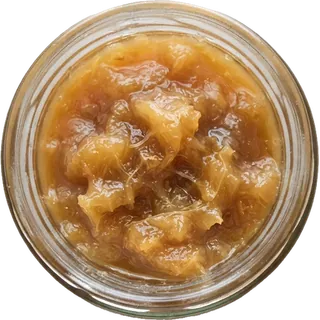
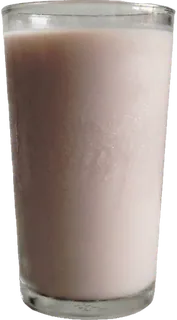
Cassava flour whisked into boiling salted water until it loosens into a thin, hot gruel, the texture somewhere between porridge and broth. It is eaten in Amazonas at the start of the day or at the end of it, spooned straight from the pot. Households make it at home, and it is also sold at market stalls and riverside kitchens in and around Manaus.
How to order
Me vê um caribé, sem leite, por favor.
The whole transaction runs in Portuguese, and the only thing to settle is milk, since sugar is already plant and rarely a concern. Asking for it “sem leite” or, if sugar is also unwanted, “puro, sem nada” covers it fully, because nothing animal is added until the gruel is already in the cup.
History
Caribé takes its name from Tupi, carried into the Portuguese spoken along the rivers of Amazonas. It is made and eaten throughout the state, from Manaus to the smaller river towns of the Rio Negro and the Solimões, where households whisk farinha de mandioca into a pot of boiling salted water until it thins into a loose gruel rather than a stiff paste. Cassava processing in this region, including the fermented and toasted flours used for caribé, carries techniques long practised by Indigenous peoples of the upper Rio Negro, among them the Baniwa, who produce much of the farinha sold in Amazonas markets. The gruel is eaten at breakfast or at the evening meal, and sold by the cup at stalls such as those inside the Mercado Adolpho Lisboa in Manaus.
Everything in the pot is plant: cassava flour, water and salt, cooked together until the flour swells and the liquid thickens. No animal product enters at any stage of cooking. At the table some eaters stir in a spoon of sugar, which is plant, and others pour in cow's milk, which is not; both are additions made after the gruel is served, never before. What to settle when ordering or serving it is simply whether milk goes in, and asking for it plain settles the matter completely, since nothing animal has already gone into the pot by the time it reaches the cup.
Where to get it
Home kitchens and riverside communities across Amazonas make it daily, and it is sold by the cup at market stalls in Manaus, including the Mercado Adolpho Lisboa, usually in the early morning or at dusk, for about R$3 to R$6.