Chañar
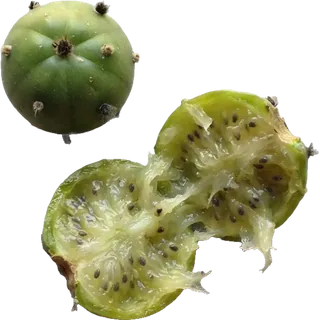
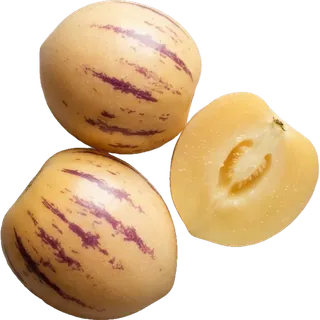
A small golden fruit from a thorny tree of Chile's semi-arid north, boiled for hours into a near-black syrup called arrope. Families in the Huasco and Limarí valleys keep a jar in the kitchen, taken by the spoon for coughs or spread on bread, through the chañar season from spring into summer.
How to order
¿Me vende un frasco de arrope de chañar sin azúcar, por favor?
There is nothing to clear with the seller on animal content: arrope de chañar is fruit and water, boiled down together, with sugar sometimes stirred in by cooks after who want a sweeter batch. A buyer who wants the plain version can ask “¿Me vende un frasco de arrope de chañar sin azúcar, por favor?”, and markets across the Norte Chico run the counter in Chilean Spanish.
History
Chañar is Chilean Spanish, naming both the thorny tree of the Norte Chico and the syrup made from its fruit; Diaguita communities of the Huasco, Elqui and Limarí valleys have gathered the fruit each spring since before Spanish colonization stripped them of most of their land, and arrope-making continues today among campesino families across Atacama and Coquimbo. The fruit is picked small and golden, then boiled for hours over low heat, skimmed and stirred, until it reduces to a near-black syrup thick enough to coat a spoon. A jar sits in rural kitchens through winter, kept for sore throats and spread on bread at breakfast.
Arrope de chañar is built from two things: the fruit itself and water, simmered down together without any animal product entering the pot at any stage. Some cooks add sugar partway through to deepen the set and sweeten a thin batch, particularly when the fruit itself runs less sweet after a dry winter, but no animal ingredient has a place in the recipe at any point. The only real question for a buyer is whether a jar has sugar stirred in or is left to thicken on the fruit's own sugars alone, which changes how it tastes but not what it contains.
Where to get it
Harvest markets, roadside stalls and small grocers across the Huasco, Elqui and Limarí valleys of Atacama and Coquimbo, sold year-round from jars put up after the spring harvest; a 250-gram jar runs CLP 2,000-4,000 at a village market or roadside stand.