Papaya de La Serena
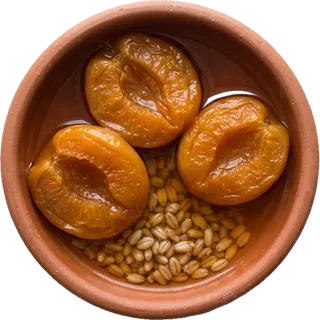
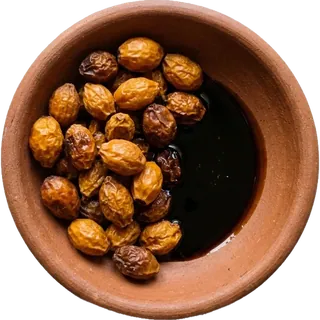
A small, hard, intensely perfumed mountain papaya, almost never eaten raw, peeled and simmered for hours in sugar syrup with cinnamon until it softens. Roadside stalls along the highway out of La Serena sell it by the jar, a staple of any trip through the Coquimbo valleys.
How to order
¿Me da un frasco de papayas en almíbar, por favor?
Nothing needs clearing with the seller, since the jar holds only fruit, sugar, water and spice: “¿Me da un frasco de papayas en almíbar, por favor?” is enough to get one.
History
The name, papaya de La Serena, is Chilean Spanish, from the city at the mouth of the Elqui valley where the fruit is sold. It grows in the irrigated valleys of Coquimbo — Elqui, Limarí and Choapa — land that belonged to the Diaguita before the Inca and then the Spanish took it over. Growers plant the trees on terraces fed by Andean meltwater and pick the fruit hard and green each summer, December to February. Too firm and bitter to eat raw, it is peeled, scored and boiled for hours in sugar syrup, often with cinnamon or orange peel, packed into jars sold along Route 5 between La Serena and Vicuña.
Every ingredient is plant: the papaya itself, water, sugar, and whatever aromatic is added to the syrup, usually cinnamon, sometimes clove or orange zest. No animal product enters at any stage of the cooking, and none appears at the table — the fruit is bottled in its own syrup and eaten straight from the jar or spooned over ice cream, which is the only point where a buyer might want to check what else is in the bowl. The preserve itself needs no question asked of it.
Where to get it
Roadside stalls along Route 5 between La Serena and Vicuña, and the stands at La Recova market in La Serena, sell it year-round in jars, though the fruit itself is harvested only in summer; a jar runs CLP 2,000-4,000 depending on size.