Lúcuma
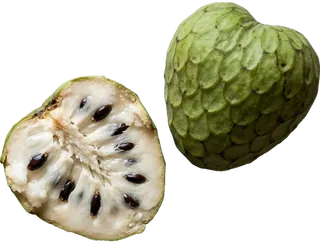
A dense, dry-fleshed Andean fruit with a taste close to maple and sweet potato, its pulp scooped out and pureed for ice cream, milkshakes and manjar; grown in the irrigated valleys of Coquimbo and Valparaíso, it reaches markets each autumn between April and June.
How to order
¿Tiene algo de lúcuma que no lleve leche, porfa?
Ask whether the ice cream, batido or manjar was made with dairy milk or cream, since the lúcuma pulp itself contains none: “¿Tiene algo de lúcuma que no lleve leche, porfa?” Market stalls selling the whole fruit need no such question, since nothing is added before it is weighed.
History
Lúcuma takes its name from Quechua, carried south along Inca-era trade routes that reached as far as the valleys of present-day Coquimbo; Chileans call it simply lúcuma, and the tree is a lúcumo. It grows in small orchards along the Limarí, Elqui and Aconcagua rivers, in the regions of Coquimbo and Valparaíso, where growers harvest the fruit hard off the branch in autumn, between April and June, and leave it to ripen indoors for one to three weeks until the skin dulls and the flesh turns the color of egg yolk. Families buy it by the kilo at weekend ferias to make ice cream and milkshakes at home.
The fruit itself is nothing but plant: pulp, water and whatever sugar a cook adds. Animal product enters only in how it is served — the pulp is almost always beaten into cow's milk for a batido, folded into cream and condensed milk for ice cream, or mixed into manjar, a milk-based caramel, before it reaches a cup or cone. None of that happens to the lúcuma in the orchard or at the market stall where it is sold whole or as frozen pulp; it happens afterward, in the kitchen or the heladería, which makes it worth asking what the pulp was mixed with before ordering.
Where to get it
Weekend ferias and fruterías in Ovalle, La Serena and the Limarí valley, and in San Felipe and Los Andes along the Aconcagua valley, sell fresh lúcuma from April to June, around 1,200-2,000 pesos a kilo; frozen pulp and lúcuma ice cream are sold year-round at heladerías and supermarkets across the Coquimbo and Valparaíso regions, a scoop running about 1,500 pesos.