Copao
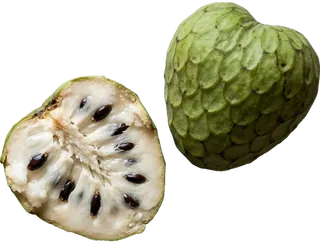
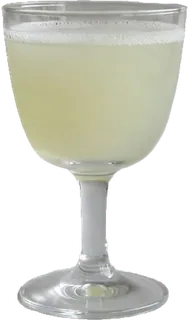
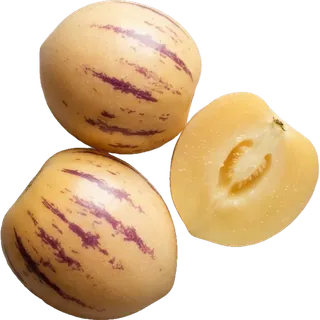
The fruit of a columnar cactus native to the Huasco and Elqui valleys, picked by hand in midsummer and split open for its green, faintly acidic pulp. Vendors blend it into juice and sell it by the roadside on the routes north of La Serena, from December through March.
How to order
¿Me vende un jugo de copao, porfa?
The juice needs no clearing for animal products, since copao is only fruit and water, but many stalls sweeten it by default, so say “sin azúcar, porfa” if you want it plain.
History
Copao is the Chilean Spanish name for the fruit of Eulychnia acida, a columnar cactus that grows wild on the dry hillsides of the Huasco and Elqui valleys, in the Atacama and Coquimbo regions. The land was home to Diaguita farmers and Chango fisherfolk before Spanish colonization displaced them and copper mining came to dominate the region's economy. Each summer, from December to March, pickers cut the spined fruit by hand with knives or hooked poles, and roadside stalls along the routes between Vallenar, La Serena and the Elqui valley sell it whole or juiced to travelers heading north toward Atacama or south toward Santiago.
Copao is fruit, nothing more: cactus pulp, black seeds, and the skin it is cut from, eaten raw or pressed for juice. No animal product enters at any stage of harvest, juicing or sale, and nothing needs to be left out or asked about. The only thing a buyer might specify is sugar, since some vendors sweeten the juice before serving it, and someone who wants the pulp unsweetened has to say so before it's poured.
Where to get it
Roadside stalls along Route 5 between Vallenar and La Serena, and fruit stands in the Elqui and Huasco valleys, selling bottled juice and whole fruit from December to March; a bottle runs CLP 1,000-1,500.