Pepino Dulce
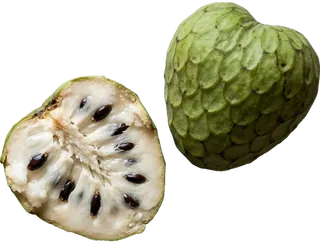
A pale egg-shaped fruit streaked with purple, grown along Chile's central coast and picked in summer when its skin turns gold. It is peeled, chilled and eaten plain or cut into wedges, a common afternoon snack from Limache to La Serena.
How to order
¿Me vende un pepino dulce bien heladito, por favor?
The whole fruit needs no checking, since it is sold as itself with nothing added by default. If buying it instead as blended jugo de pepino dulce, some stalls add milk or condensed milk for body, so ask “¿Me lo prepara sin leche, por favor?” before it's made.
History
Pepino dulce is Chilean Spanish for 'sweet cucumber,' though the fruit is unrelated to cucumber and belongs instead to the nightshade family with tomatoes and chili peppers. It is native to the Andes and grown along Chile's central coast, concentrated in the valleys of Limache, La Cruz and Quillota in the Valparaíso region, and further north around Ovalle in the Coquimbo region. Growers pick it by hand through January and February, once the green skin turns pale gold and the purple streaks darken. It is sold by the kilo at roadside stands and ferias, eaten chilled as an afternoon snack rather than cooked into other dishes.
Pepino dulce is a fruit, nothing more: flesh, skin and a handful of small seeds, eaten raw and chilled with nothing added. No animal product enters its growing, its harvest or its sale, and it never passes through a kitchen that might introduce one. The only point to check is not the fruit itself but what a vendor does with it afterward — a few stalls blend it into jugo de pepino dulce with added milk or condensed milk for body, which does bring in a dairy product, so it is this blended juice, not the fruit on its own, that is worth asking about before ordering.
Where to get it
Roadside fruit stands along Ruta 5 between Valparaíso and La Serena, especially around La Cruz and Limache in the Valparaíso region, and at ferias in Ovalle and La Serena in the Coquimbo region; sold by the kilo from December through March, at roughly CLP 1,000 to 2,000 a kilo.