Huesillo
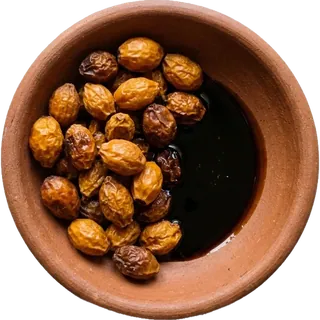
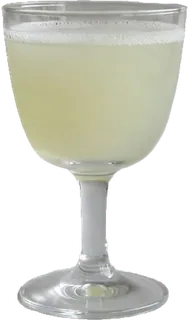
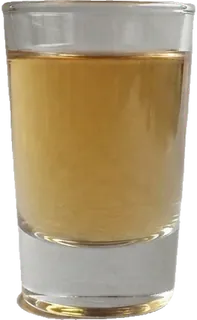
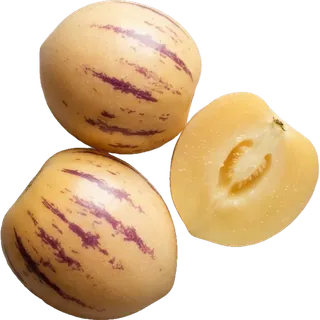
Whole peaches are peeled, stoned and dried hard in the sun of the Limarí and Elqui valleys, then softened again in sugar syrup before serving. The reconstituted fruit sits at the bottom of every glass of mote con huesillo, Chile's summer street drink.
How to order
Deme medio kilo de huesillos, por favor.
Huesillo is naturally vegan already, so there is nothing to clear before ordering; the only question worth asking at a stall is whether the batch was treated with sulphur dioxide, with “¿Tiene huesillos sin azufre?” (do you have unsulphured dried peaches?) getting a straight answer, in Spanish, the language every feria and market stall runs in.
History
Huesillo is Chilean Spanish, a diminutive of hueso, the stone at the fruit's center. The peach tree arrived with Spanish colonization of valleys long farmed by Diaguita communities, and today small producers in the Limarí and Elqui valleys of Coquimbo halve, peel and stone the fruit each summer, spreading it on mesh racks to dry hard under the desert sun of the Norte Chico. Dried for days until leathery, the fruit travels south to markets in Valparaíso, where vendors soften it back in sugar syrup and sell it from barrels and street carts as mote con huesillo, Chile's drink for Fiestas Patrias and the beach.
The dried fruit itself is entirely plant: peaches, sun and nothing else, though commercial bags are often treated with sulphur dioxide to keep the orange color and stop mold during months of storage and transport. No animal product enters at any stage; the syrup it is reconstituted in is sugar and water, sometimes with a cinnamon stick, and the mote it is served alongside is simply husked wheat. The only real choice to settle is sulphured against unsulphured fruit, a question of additive and taste rather than diet, and small-market huesillos dried without chemical treatment are sold alongside the packaged kind for those who want it.
Where to get it
Ferias libres and dried-fruit stalls in Ovalle and the Limarí valley of Coquimbo sell huesillos loose by the kilo, and street carts in Valparaíso and Viña del Mar sell mote con huesillo by the glass through summer, December to March. A kilo bag runs CLP 2.500-4.000 and a glass of mote con huesillo CLP 1.000-1.500.