Kumara
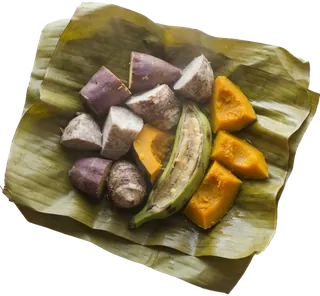
A sweet potato baked or boiled, brought across the Pacific by Rapa Nui's first settlers and grown today in manavai, the stone-walled garden plots that shelter crops from the island's wind. It is served at everyday meals in Hanga Roa, alongside taro and banana from the umu.
How to order
Me da kumara, por favor.
Kumara is plain root, baked or boiled, with no animal product added at any stage, so there is nothing to clear with the seller. Stalls and the feria in Hanga Roa run in Spanish as much as in Rapa Nui, so "Me da kumara, por favor" works at either counter.
History
Kumara is the Rapa Nui word for sweet potato, carried by the first Polynesian settlers who reached the island centuries ago. Chilean Spanish calls the same root camote; its resemblance to the Quechua kumar is cited as evidence of early contact between Polynesia and the South American coast. On Rapa Nui the tuber grows in manavai, stone-walled enclosures that break the wind and hold moisture, and is cooked in the umu, the earth oven, alongside taro and banana. Chile annexed the island in 1888 and later leased most of it to a sheep company, confining islanders to Hanga Roa and cutting them off from land they had long farmed.
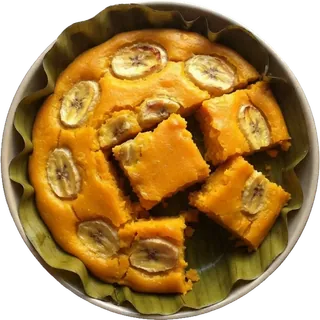
Kumara is a root, nothing more: baked whole in the umu or boiled in a pot, sometimes mashed with banana. No animal product enters at any stage of its preparation, whether in a family earth oven in Hanga Roa or at a market stall selling it by the kilo. There is nothing to ask a cook to leave out and nothing that changes between a home kitchen and a commercial one; the tuber is served exactly as it comes out of the ground and the fire.
Where to get it
The feria municipal and roadside stalls in Hanga Roa, and home gardens built around manavai plots across the town; sold by the kilo or served as a side at midday meals, running roughly 1.000-1.500 Chilean pesos a kilo in season.