Umu
A pit of volcanic stones is heated with firewood, lined with banana leaves, then packed with root vegetables, fruit and meat before being sealed under earth to steam for hours. Families in Hanga Roa open it for birthdays, funerals and the Tapati Rapa Nui festival.
How to order
¿Me da el umu sin carne, por favor?
Counters and family kitchens in Hanga Roa run in both Rapa Nui and Chilean Spanish, so asking in Spanish works everywhere: “¿Me da el umu sin carne, por favor?” Because the fish, chicken and pork are wrapped in their own separate leaf parcels, cooks can usually pull those bundles out and serve only the ones holding kumara, taro, banana and pumpkin.
History
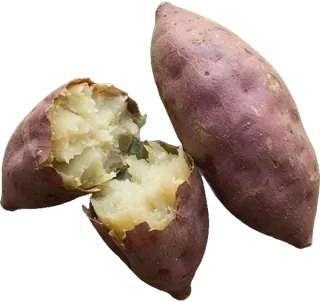
Umu is Rapa Nui for earth oven, a word shared across Polynesia as imu in Hawai'i and umu in Samoa and Tonga, carried to the island by the Polynesian voyagers who settled it long before Chile annexed Rapa Nui in 1888. The pit is dug in the yard, filled with stones and firewood, and once the fire burns down the stones are layered with banana leaves, kumara, taro, banana, pumpkin and whatever meat or fish a family can provide, then buried under more leaves and soil to cook for three to five hours. It is built for gatherings in Hanga Roa: birthdays, funerals, church feasts, the February Tapati Rapa Nui festival.
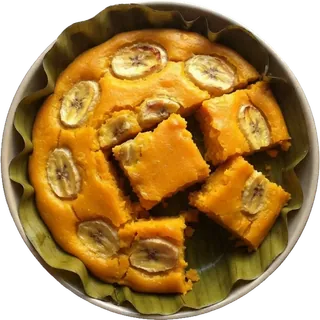
The base of the umu is plant: kumara, taro, banana and pumpkin, wrapped in banana leaves and laid directly on the hot stones. Animal food enters at the same cooking stage, not afterward — fish, chicken or pork go into their own separate leaf parcels and sit alongside the vegetables in the same pit, so the heat and smoke are shared but the foods are never mixed together. That separation means a diner can usually be served only the vegetable bundles pulled out whole, so the only thing to settle is which parcels came from the pit without meat or fish.
Where to get it
Family-run comedores and community feasts in Hanga Roa, Easter Island, especially around the February Tapati Rapa Nui festival and Sunday family gatherings; a plate at a restaurant runs roughly CLP 12,000-18,000, more at festival events where whole umu are opened for a crowd.