Doce de Caju
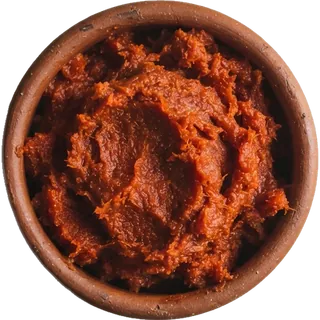
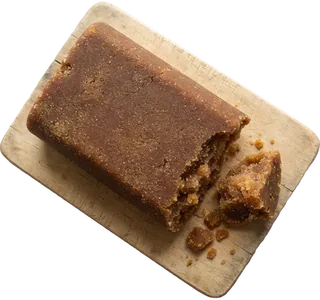
Whole cashew apples, the pedúnculo do caju, are simmered for hours in sugar syrup until the flesh turns translucent and the color deepens to brown. Cooks in Rio Grande do Norte and Piauí pack the fruit into glass jars once cooled, sold at markets and roadside stands. Eaten in small pieces alongside coffee, usually at the afternoon meal.
How to order
Me vê um potinho de doce de caju, por favor?
Nothing about this sweet needs settling, since the jar sold at a feira or roadside stand in Rio Grande do Norte or Piauí is cashew apple, sugar and water from start to finish. Asking for “um potinho de doce de caju” is enough to get it, and the exchange runs in Portuguese whether at a town market or a cooperative stand. There is no variant to rule out.
History
Doce de caju is Portuguese for cashew sweet, made from the pedúnculo, the fleshy stalk beneath the cashew nut, in the caju orchards and backyard plots of Rio Grande do Norte and Piauí, from towns such as Mossoró and Pio IX, near Picos. Producers pick the ripe fruit during the cashew season, October through January, cut away the fibrous core, and simmer the pulp whole or halved in sugar and water for several hours until it turns dark and glassy. The result is ladled into glass jars while still hot and sealed, sold at feiras, roadside stalls and small agricultural cooperatives through the rest of the year. Some cooks call it caju em calda or doce de caju em compota.
The pot holds only cashew apple, sugar and water, reduced slowly until the syrup thickens around the fruit. No animal product enters at any stage of cooking, and none is added afterward at the table either, since the sweet is eaten straight from the jar, in pieces, alongside coffee or on bread. There is nothing to settle when buying, in any version found across Rio Grande do Norte or Piauí; the jar sold at a feira stall is the same as the one made in a home kitchen.
Where to get it
Sold in glass jars at feiras and roadside stands across Rio Grande do Norte and Piauí, including Mossoró and Picos, and at small agricultural cooperatives that process the fruit after the cashew harvest between October and January; a jar runs roughly R$10 to R$20.