Cajuína
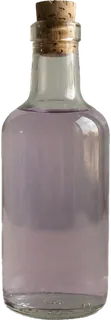
Cashew apples pressed in Piauí yield a juice clarified by heat until its tannins coagulate and settle, then cooked down to a still amber liquid. Producers bottle it while hot and seal it, and it is sold cold in bars and mercearias across Teresina and the interior, drunk straight from the bottle without ice or dilution.
How to order
Uma cajuína bem gelada, por favor.
There is no animal-product question to raise, since the bottle is already sealed and the drink is naturally plant-based from pressing to cork. The thing worth specifying, in the Portuguese the sale runs in, is temperature — “bem gelada” for very cold — and, with some brands, sweetness, since recipes vary in how much sugar goes in before bottling.
History
Cajuína is the Portuguese name for a drink made from caju, the cashew apple, a word that comes from the Tupi acaiú; both the name and the drink belong to Piauí, above all to Teresina, where small producers and larger bottling plants press the fruit each cashew season, roughly August to January. The juice is strained, heated until its tannins clot and rise to the surface, skimmed off, then simmered down until it turns amber and goes still in the glass. Producers bottle it hot, cap it at once, and let it cool before sale. It is sold year-round in bars and mercearias but is tied above all to the June festas juninas, when stalls across Teresina sell it bottle by bottle alongside corn dishes.
Everything in the bottle is plant: cashew-apple juice, sugar, and the heat that coagulates and removes the fruit's tannins by settling, not filtering. No animal product enters at any stage of pressing, clarification, or cooking, and none is added at the counter or table, since cajuína reaches the buyer already bottled and sealed. There is accordingly nothing to settle on the animal-product question: no butter, lard, stock cube, or dairy can get into a drink that leaves the producer capped. What is left for the buyer to decide is how cold it is served and, with some brands, how sweet, both settled by reading the label or asking before the cap comes off.
Where to get it
Bars, mercearias and bottling-plant shops in Teresina and across the Piauí interior sell it year-round, with the heaviest sales during the June festas juninas; a bottle of 300-600 ml runs roughly R$5-15.