Tiquira
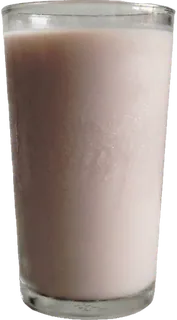
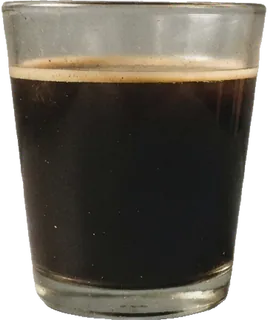
Tiquira is a clear spirit distilled from fermented cassava mash, produced in small stills across Maranhão's interior. Root pulp is grated, soaked, fermented in its own juices, then double-distilled over a wood fire. Sold by the bottle at roadside stills, village bars and town markets, it is drunk neat or infused with fruit until it turns violet.
How to order
Me vê uma tiquira, clara mesmo, por favor.
The sale runs in Portuguese, and the one point worth settling is whether to ask for “clara” or “roxa”, since the clear version is cassava spirit alone while the roxa carries a fruit or bark infusion and sometimes costs more. Nothing about the base recipe needs checking, since neither version carries any animal ingredient.
History
Tiquira takes its name from a word of Tupi origin, likely tykyra, tied to the idea of a dripping liquid — the trickle of spirit that falls from a still's spout. The drink is made across the interior of Maranhão, in towns such as Codó, Rosário, Bacabal and Itapecuru-Mirim, where small stillmasters, known locally as tiquireiros, grow or buy cassava, grate the root, press the pulp and let it ferment for several days before double-distilling the mash over a wood fire, often in copper stills kept within a family for generations. The spirit is sold by the bottle at roadside stills, village bars and town markets, with demand rising during the June festival season and the bumba-meu-boi cycle.
Everything in the bottle starts as plant: cassava, water and the wild yeasts that colonize the fermenting mash, turned by heat alone into a spirit with no animal product entering at any stage from field to still. The violet color some bottles carry comes from fruit or bark steeped in the liquor after distillation, a plant addition rather than an animal one. Nothing in the standard preparation needs settling at the counter — the only question worth asking at an unfamiliar stall is whether the batch is clara (clear) or roxa (infused), since the two are priced and poured differently.
Where to get it
Roadside stills, village bars and market stalls across the Maranhão interior — towns such as Codó, Rosário and Bacabal — sell it year-round, with demand rising during the June festival season; a bottle runs roughly R$10 to R$25 depending on aging and infusion.