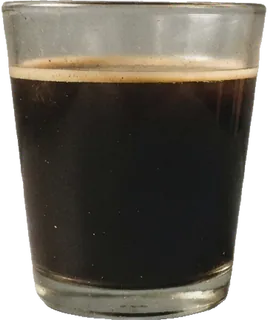
Vinagreira Refogada
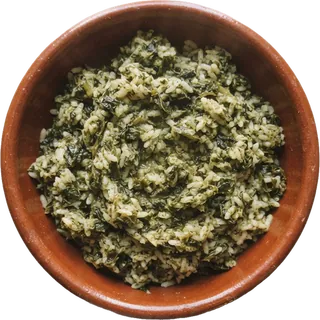
Vinagreira is the young leaf of Hibiscus sabdariffa, stripped from its stems, chopped fine and fried in oil with onion and garlic until it wilts into a sharp, dark-green mass. Maranhão households serve it as a side vegetable with rice and beans at the midday meal, and it is sold cooked by the kilo in home-style buffets across São Luís.
How to order
Me vê um pouco de vinagreira refogada, sem caldo de galinha, pode ser?
The transaction runs in Portuguese, at a feira stall or a comida a quilo counter. Asking whether the onion was fried with “caldo de galinha” or “tempero pronto” covers the one real risk, since the leaf, onion, garlic and oil are plant on their own. If the pan was already started, the cook will say so rather than change it on the spot.
History
Vinagreira takes its Portuguese name from vinagre, vinegar, for the sourness of the raw leaf. The plant, Hibiscus sabdariffa, grows in dooryard plots and small farm plots through the interior of Maranhão and is sold in bunches at feiras such as the Mercado Central and Mercado da Praia Grande in São Luís. Cooks strip the leaves from the stem, wash them, chop them finely, then fry them in oil with onion and garlic until they collapse down to a fraction of their raw volume. The same leaf, cooked instead with dried shrimp, sesame and manioc flour, becomes cuxá, a separate dish; vinagreira refogada is the plain sautéed version eaten on its own as a vegetable.
Everything in the pan is plant: the leaf itself, onion, garlic and oil. No shrimp, no stock, nothing animal belongs in this version by name, which is what separates it from cuxá. The one thing worth settling is a habit rather than a rule: some household and buffet cooks stir in a spoonful of tempero pronto or caldo de galinha, a chicken bouillon seasoning, while frying the onion, a step that happens well before the leaf reaches the plate and cannot be undone by asking at the counter. Buying it plain means confirming the seasoning used, not the leaf.
Where to get it
Feiras and home-style comida a quilo buffets in São Luís and towns across the Maranhão interior sell it cooked, by the kilo, year-round, usually for R$8 to R$15 as part of a plate.