Gosari
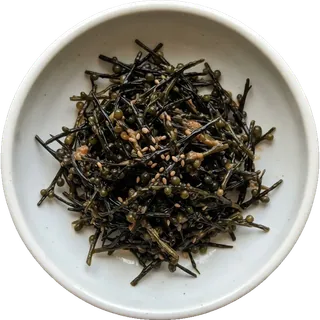
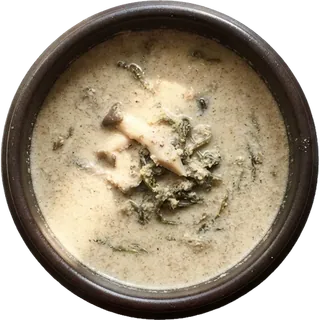
Spring fiddleheads of bracken fern are boiled, sun-dried, then soaked and braised in soy sauce, sesame oil and garlic until tender. The dish is one of the fixed brown vegetables set on bibimbap and on the ancestral rite table across Korea, eaten from Jeju to Gangwon.
How to order
고사리나물에 소고기 빼고 주세요.
Gosari-namul is usually braised in a single batch before service, so it is worth asking before ordering rather than after: “고사리나물에 소고기 빼고 주세요.” At a bibimbap counter or a holiday table where the banchan comes from one shared pot finished hours earlier, a version made specially without beef or anchovy stock may not be possible that day.
History
Gosari (고사리) is bracken fern, gathered in early spring before the fronds uncurl, in the mountains of Gangwon-do and on the slopes of Hallasan in Jeju. Foragers cut the young shoots, boil them to clear the bitterness, then dry them in the sun, a method that kept greens edible through the lean years of Japanese colonial rule and the postwar famine. Soaked and braised in soy sauce and sesame oil, it becomes one of the three fixed namul set out at Seollal, at Chuseok and on the jesa table for ancestral rites, alongside white doraji and green spinach, and it fills one quadrant of a bowl of bibimbap.
The namul itself carries no jeotgal and no fish-based paste; the question is what goes into the braising pot. Many restaurant versions add soegogi (beef), fried with the garlic before the soaked fern goes in, to deepen the dish for a bibimbap topping or a holiday spread. Some cooks braise it in myeolchi-yuksu, anchovy-and-kelp stock, rather than water, for the same reason. Neither is universal — plenty of home cooks braise gosari in water and soy sauce alone — so what the fern was cooked in, not what sits on top of it, is what has to be settled before it reaches the table.
Where to get it
Home kitchens, market banchan stalls and bibimbap restaurants across Gangwon-do and Jeju, where wild gosari is picked from March to May and sold dried year-round by the bag; a side portion in a bibimbap set runs about 2,000-4,000 won at a market restaurant.