Haleko
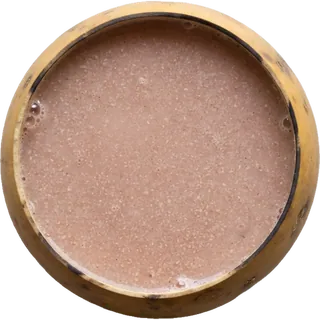
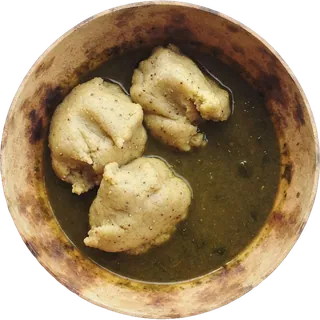
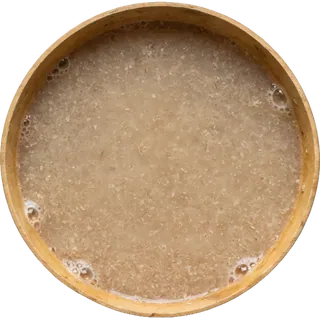
Moringa leaves stripped from branches grown on the stone terraces of Konso, chopped fine and boiled for hours with water, salt and onion into a thick, dark green broth. Eaten daily with sorghum porridge or flatbread, it is sold ready-cooked by the bowl at Karat market, the main town of Konso.
How to order
እባክዎ አንድ ሃሌኮ ይስጡኝ፤ አመሰግናለሁ።
Nothing needs settling, since moringa leaves, water, salt and onion make up the whole dish, cooked and served without butter, cheese or milk at any point. The sale at Karat market runs day to day in Konso and, for travelers, in Amharic, where asking simply for “ሃሌኮ” brings the bowl exactly as it comes off the fire.
History
Haleko is the Konso name for a dish made from the leaves of moringa, Moringa stenopetala, grown along the edges of the stone-walled terraces that cover the hillsides of Konso, in South Ethiopia Regional State, around the town of Karat. Farmers tend the trees beside sorghum and cotton on terrace plots, stripping branches of their leaves for the household pot. Cooks, usually women, chop the leaves fine and boil them for several hours in water with salt and onion until they collapse into a dense, dark broth. The dish is eaten daily with sorghum porridge or flatbread, and vendors at Karat market sell it ready-cooked by the bowl each morning.
Everything in the pot is plant: moringa leaves, water, salt and onion, boiled together with no fat, dairy or meat added at any stage of cooking, and nothing added afterward at the table either. Konso households are divided among traditional belief, Protestant Christianity and smaller Orthodox and Muslim communities, and haleko does not fall under the Tewahedo fasting calendar the way butter-based dishes elsewhere in Ethiopia do, because it never contained butter to begin with. There is nothing to settle when buying it, whether at Karat market or at a roadside pot, since no ordinary version of the dish adds animal product before or after cooking.
Where to get it
Karat market, the main market of Konso town, sells bowls of haleko each morning alongside sorghum porridge, for roughly 15–25 birr; the leaves are cut from terrace trees year-round, so the dish has no closed season.