Isistambu
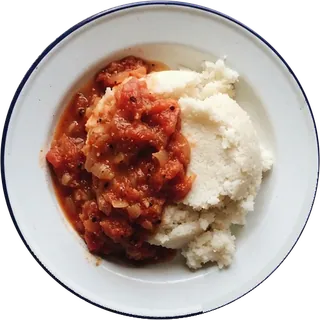
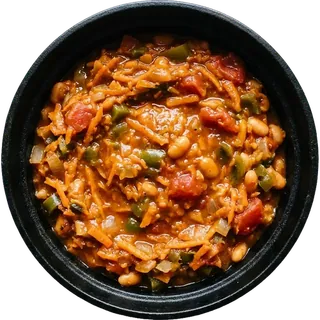
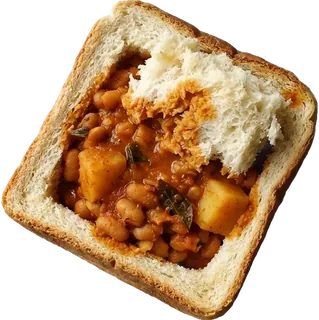
Dried corn kernels and sugar beans simmer for hours into a loose, wet stew, often finished with a fried onion and tomato relish and chunks of potato. In KwaZulu-Natal it is everyday fare, eaten at home from lunch through supper, in winter especially.
How to order
Ngicela isistambu ngaphandle kwenyama, ngiyabonga.
Asking for isistambu ngaphandle kwenyama already signals no meat or stock in the pot, but some cooks also finish the relish with butter, so it helps to add “futhi ngaphandle kwebhotela,” “and without butter.” Many KwaZulu-Natal eateries and home kitchens switch between isiZulu and English at the counter, so the phrase carries either way.
History
Isistambu is the isiZulu name for samp and beans cooked down soft and wet, a dish eaten across KwaZulu-Natal from rural homesteads to Durban townships. Maize itself reached southern Africa through colonial-era trade networks and became the region's staple grain, displacing sorghum and millet over generations. Xhosa cooks make a drier, stiffer version of the same pot and call it umngqusho. In Zulu households isistambu is cooked on an ordinary weekday, stretched to feed a large family cheaply, and kept warm on the stove for whoever comes in hungry.
The base of isistambu is plant: dried corn kernels, sugar beans, onion and tomato, simmered together without any animal product required. Where meat enters is at the cook's discretion — some KwaZulu-Natal kitchens add a piece of beef shin, mutton bone or chicken stock to the pot while it simmers, for flavor, and some restaurants finish the relish with butter. Nothing is added to the dish at the table, so what needs settling is what went into the pot itself before it ever reaches a plate.
Where to get it
Home kitchens, church lunches and township eateries across KwaZulu-Natal, from informal food stalls in Durban to rural homesteads in the Midlands and Zululand; a plate runs about R25 to R40 at a local spot, though it is more often cooked at home than bought.