Tangyuan
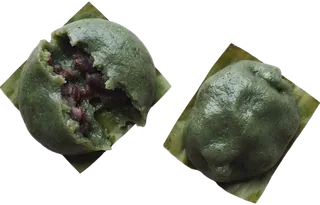
Glutinous rice balls, called ban yuan in the Hakka towns of Miaoli, eaten at the winter solstice and Lantern Festival either in a savoury broth with greens and shallot, or boiled in a ginger and brown sugar syrup.
How to order
老闆,一碗鹹湯圓,謝謝。
For the savoury bowl ask '湯頭是大骨熬的嗎?有加蝦米和油蔥酥嗎?' — whether the broth is pork-bone and whether dried shrimp and shallot crisps go in; if so, ask instead for the sweet bowl, '那給我一碗甜湯圓就好'.
History
Hakka communities in Hsinchu and Miaoli call them ban yuan, where Liudui in the south says yuan ban and Dongshi says xi yuan. Part of the glutinous rice dough is boiled first, so that the gelatinised starch binds the raw dough and the balls hold their shape; northern Hakka towns roll them small and unfilled and put the substance in the bowl around them, while southern ones make a large ball with a filling. Miaoli eats them at the winter solstice and at Lantern Festival, and the Hakka cultural park in the county has run public rolling sessions at the solstice. Food writing records large Miaoli balls filled with fried dried radish.
The dough is rice, water and sometimes beet or dragonfruit colouring, and is plant-based. Everything that makes the savoury bowl is where animal ingredients enter at once: the broth is usually chicken or pork-bone, the topping is shredded pork fried with dried shiitake and dried shrimp, and the spoonful of fried shallot stirred in at the end is frequently fried in lard. A shop asked for the savoury version cannot easily unmake that. The same balls boiled in ginger syrup with brown sugar contain nothing animal, and a vegetarian savoury bowl built on shiitake, soy sauce, celery and crown daisy is commonly cooked at home.
Where to get it
Noodle shops and Hakka rice-food stalls across Miaoli City, Tongluo and Zhunan sell savoury tangyuan year-round, and both versions appear at markets and in households at the winter solstice in late December and at Lantern Festival.