Tucupi Preto
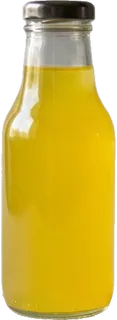
Tucupi preto is bitter cassava juice boiled down, then reduced again over a slow wood fire for a day or more with chilli until it turns black, thick and strongly salted. It is used drop by drop as a seasoning, not eaten on its own. Wajãpi households in Amapá make it, and bottles are sold in the markets of Macapá and Mazagão.
How to order
Me vê um vidrinho de tucupi preto, por favor.
The sale runs in Portuguese even at Wajãpi stalls in Macapá's Mercado Central, though sellers may speak Wajãpi among themselves. Nothing needs settling, since tucupi preto is only cassava juice, chilli and salt reduced over fire; asking “é só isso mesmo, tucupi e pimenta?” (“is that really all, just tucupi and chilli?”) simply confirms what is already standard.
History
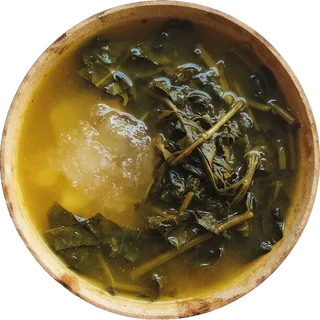
Tucupi is a Portuguese word taken from Tupi, and preto, black, marks the reduced version from the pale yellow tucupi used in soups farther south in Pará. The dish is associated with the Wajãpi, who hold land along the upper reaches of the Jari and Amapari rivers in Amapá, and with riverine households elsewhere in the state and in neighbouring Pará. Growers plant mandioca brava, bitter manioc, in swidden gardens, grate the root, press out the juice, and boil it for hours to drive off its natural cyanide. For tucupi preto, that boiled juice is set back over a slow wood fire with chilli and cooked down, sometimes for more than a day, until it thickens into a black, salty paste. It is bottled and carried to markets in Macapá and Mazagão.
Everything in the pot is plant: cassava juice, chilli and salt, cooked down by fire and time alone. No animal product enters at any stage, and none is added afterward either, since tucupi preto is sold and used as a finished seasoning rather than a dish served at a table with accompaniments. This sets it apart from other tucupi preparations, such as pato no tucupi or tacacá, which can carry duck fat or dried shrimp; tucupi preto itself carries neither. Buying it from a Wajãpi household or a market stall in Macapá involves nothing to settle, since the reduction leaves no room for a cook to add dairy, egg or meat once the pot has been set over the fire.
Where to get it
Sold in reused bottles at the Mercado Central and smaller markets in Macapá, in Mazagão, and occasionally at Belém's Ver-o-Peso when Amapá producers bring stock; it keeps without refrigeration, and a bottle of 100 to 200 ml runs about R$15 to R$30.