Doraji
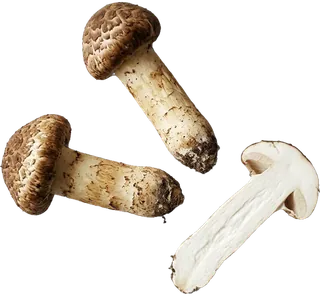
Bellflower root is split, rubbed with salt to draw out its bitterness, then rinsed and dressed raw with chilli powder and vinegar, or stir-fried in sesame oil. It is one of the namul set out at Chuseok and ancestral rites, and separately boiled with pear as a home remedy for cough.
How to order
도라지무침에 액젓 빼고 주세요.
Doraji-muchim is usually already plant-based — salt, chilli, sesame and vinegar need no asking — but some home cooks and side-dish sellers salt the root with a dash of aekjeot instead of plain salt, so it is worth asking, “도라지무침에 액젓 빼고 주세요.” If the cough remedy rather than the side dish is wanted, say so separately, since doraji-cha is often sweetened with honey rather than sugar.
History
Doraji (도라지), the root of the balloon flower, grows wild in the hills of North Gyeongsang and North Chungcheong and is also raised on cultivated plots for market. Diggers split the roots, rub them hard with coarse salt until the milky bitterness bleeds out, then rinse them and season raw with chilli powder, vinegar and sesame oil, or blanch and stir-fry. It is one of the samsaek-namul, the seasoned vegetables set beside rice at Chuseok tables and ancestral-rite spreads, and it gives its name to one of Korea's best-known folk songs, Doraji Taryeong, still sung at gatherings today.
Of Korea's three usual hiding places for animal product, two do not apply: doraji-muchim is not a kimchi, so it carries no jeotgal, and it is dressed rather than simmered, so no myeolchi-yuksu stock is involved. The third shows up quietly — some home cooks salt the root with a dash of aekjeot, fish sauce, instead of plain salt, a habit used across many namul beyond kimchi, so it is worth asking whether salt alone went in. Left plain, the dressing is salt, chilli, sesame and vinegar; honey appears instead in doraji-cha, the pear-and-root cough remedy, a separate preparation.
Where to get it
Traditional market stalls and banchan counters across Gyeongsangbuk-do and Chungcheongbuk-do, especially around Andong and Cheongju, sell doraji-muchim by the small container year-round, with fresh root most abundant in autumn; a container runs 3,000-5,000 won at a market stall, more at a hanjeongsik restaurant where it appears as one of several small side dishes.