ዱባ ወጥ (Duba Wat)
Pumpkin cut into chunks and stewed with onion, garlic and berbere until the flesh slumps into a thick sauce. Cooked in niter kibbeh on ordinary days and in oil through the Orthodox fasts, it is sold at households and small restaurants across the Amhara highlands as part of a fasting platter.
How to order
እባክዎ አንድ ዱባ ወጥ የጾም ይሁን።
The sale runs in Amharic in highland Ethiopia, and asking “የጾም ይሁን” — let it be the fasting version — tells the cook or vendor to use oil instead of niter kibbeh. Outside the Wednesday and Friday fasts and the two long fasting seasons, the same stew defaults to butter unless a customer asks otherwise. Restaurants that already keep a fasting menu year-round serve it in oil without being asked, so the phrase matters most at home-style kitchens and on ordinary weekdays.
History
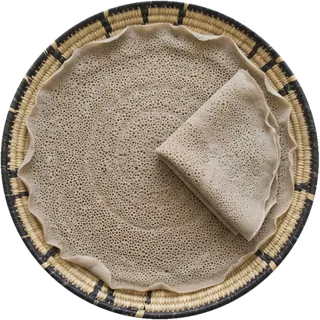
Duba wat is Amharic for pumpkin stew: duba means pumpkin, wat is the thick spiced stew that anchors Ethiopian highland cooking. It is made across the Amhara region, from Gondar and Bahir Dar to the market towns of South Wollo, where cooks peel and cube pumpkin, then simmer it with chopped onion, garlic and a spoonful of berbere until the chunks break down into a dense orange sauce. Vendors at market stalls and small restaurants ladle it onto injera, often alongside shiro and lentils as part of a fasting platter, yetsom beyaynetu. Households cook the same stew at home through the fasting calendar and on ordinary days alike.
The pot itself is plant throughout: pumpkin, onion, garlic and berbere, simmered in fat. Animal product enters only through the cooking fat: niter kibbeh, butter clarified with spice, used on days outside the fast, swapped for oil during the Wednesday and Friday fasts and the long fasting periods of the Orthodox Tewahedo calendar. Because the fat is stirred in early and cooked through rather than added at the table, nothing can be lifted out afterward. What has to be settled before ordering is whether the pot was ever started in butter at all, which during fasting season in most kitchens it was not.
Where to get it
Market stalls and small restaurants across the Amhara highlands — Gondar, Bahir Dar, Dessie, Debre Markos — sell it most often during Abiy Tsom and other Orthodox fasting periods, for roughly 40-70 ETB a plate with injera.