Naju-bae
A round, russet-skinned pear grown around Naju in Jeollanam-do, so large a single fruit can weigh over a kilogram, prized for its crisp flesh and high juice content. Grated raw into kimchi paste and marinades, it also closes a meal sliced into wedges, eaten after dinner across Korea from autumn through winter.
How to order
여기 나주배 좀 주세요.
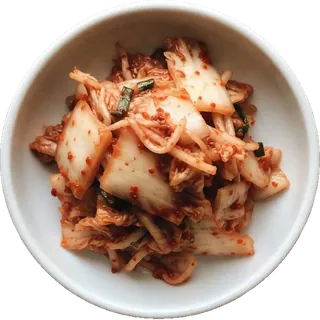
The pear itself needs no request, since a whole fruit or a cut wedge contains nothing but pear. If it has already been grated into a kimchi paste on offer, the thing to ask about is the jeotgal, not the pear — "젓갈 빼고 주세요" (leave out the salted shrimp) — though most paste is mixed before the kimchi is sold, so this is better asked when buying raw kimchi paste than at a table already served.
History
Naju-bae (나주배) takes its name from Naju, a city in Jeollanam-do on the Yeongsan River, where pear orchards have grown since before written record; the large, russet-skinned varieties sold today descend from cultivars introduced and refined during the Japanese colonial period, when orchards were expanded for export. Farmers around Naju still harvest from September into November, grading fruit by weight for Chuseok gift boxes and for the ancestral memorial table, where a whole pear sits beside apples and persimmons. Grated raw, the pear also goes into kimchi paste made during kimjang, the November kimchi-making season, its sugars and enzymes softening the cabbage and rounding out the chilli.
The pear itself carries no animal product at any stage: it is picked, sold and eaten raw, and grating it into a marinade or kimchi paste adds nothing but juice and sugar. The question belongs to whatever it goes into — most kimchi paste in Jeolla households is built on jeotgal (젓갈), salted fermented shrimp or anchovy, stirred in alongside the grated pear, and most broths served with it rely on myeolchi-yuksu, dried anchovy and kelp stock, started before any vegetable goes in. A wedge eaten on its own needs no adjustment; the dish it flavours is what has to be checked.
Where to get it
Fruit markets and household kitchens across Jeollanam-do, especially the orchards around Naju itself, selling the fruit from September through November, with traditional markets elsewhere in Korea stocking it into winter as Chuseok gift sets. A single pear runs ₩5,000-15,000 depending on size and grade, with a boxed dozen for gift-giving going for ₩50,000 and up.