Nokcha
Leaves are picked by hand in late April from terraced hillsides, then pan-fired in iron kettles to stop oxidation before rolling and drying. Boseong in South Jeolla and Hadong along the Seomjin river are the main growing areas, where tea has been cultivated since Buddhist monks brought it from China over a thousand years ago.
How to order
녹차 한 잔 주세요.
Nokcha itself needs no modification: it is leaf and water, with nothing to ask about. If it comes with a side of rice cake or a sweet, as it sometimes does at a teahouse, ask about that separately with “이거 안에 우유나 계란 들어가요?” ("Does this have milk or egg in it?"), since those pairings, not the tea, are where dairy and egg turn up.
History
Nokcha (녹차) has grown on the hillsides of South Jeolla since Buddhist monks carried tea seeds from China more than a thousand years ago, but the plantations that cover Boseong today date to 1939, when Japanese operators cleared the slopes under colonial rule and planted rows that local farmers later took over. Pickers, mostly women, work the terraces by hand in late April for the first flush, ujeon, before the leaves toughen. The tea is pan-fired within hours of picking, then rolled and dried, and drunk daily at home and offered to guests and ancestors at the memorial rite.
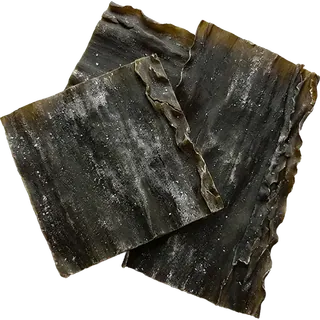
Nokcha carries none of the places animal product usually enters Korean cooking: there is no kimchi paste needing jeotgal (salted fish), no soup built on myeolchi-yuksu, dried anchovy and kelp stock, and no egg garnish to request without. The dish is a leaf and hot water, steeped loose or from a small cotton bag, sometimes with a second or third infusion from the same leaves. Teahouses may offer rice cakes or sweets alongside the tea, and those can contain butter, milk or egg, so if food is ordered with the tea, that pairing is the only thing worth checking.
Where to get it
Teahouses and tea gardens around the Boseong plantations in South Jeolla serve it year-round, with the Boseong Tea Festival each May marking the new harvest; a cup at a tea-garden café runs 5,000-8,000 won, and a 100g box of loose ujeon leaves to take home costs 15,000-30,000 won.